# How to Start a Freelance Graphic Design Side Hustle in 2026: A Beginner’s Guide to Earning from Home
Graphic design is one of the most accessible and profitable side hustles you can start in 2026. You do not need a degree or years of experience. With free or affordable design tools, online tutorials and a growing demand for visual content, anyone with a good eye and some practice can start earning money from home.
Whether you want to earn an extra £500 a month or build a full-time business, freelance graphic design offers flexibility, creativity and real income potential. In this guide, I will walk you through everything you need to start a graphic design side hustle from scratch.
## Why Graphic Design Is a Great Side Hustle in 2026
The demand for graphic design has never been higher. Every business needs social media graphics, logos, flyers, presentations and website assets. Small businesses, startups and content creators are constantly looking for affordable designers.
Here is why graphic design works so well as a side hustle.
First, you can start with very little money. Canva, Figma and Photopea offer powerful free versions. You do not need expensive software like Adobe Creative Cloud until you are earning consistently.
Second, you can work entirely from home. All you need is a laptop and an internet connection. You can take on clients from anywhere in the world.
Third, the earning potential is strong. Beginner freelance designers charge £15 to £30 per hour. As you build a portfolio and gain experience, you can charge £50 to £100 per hour or more.
## What Skills Do You Need to Start?
You do not need to be a professional artist to succeed in freelance graphic design. But there are some basic skills you should develop.
First, learn the fundamentals of design. Understand colour theory, typography, layout and composition. These principles apply whether you are designing a logo, a social media post or a brochure.
Second, get comfortable with at least one design tool. Canva is great for beginners. It has thousands of templates that you can customise. Figma is excellent for web and app design. Adobe Photoshop and Illustrator are industry standards, but they have a steeper learning curve.
Third, develop your communication skills. Half of freelance success is understanding what clients actually want. Learn to ask the right questions, listen carefully and present your work professionally.
## Tools You Need to Get Started
You do not need to buy expensive software right away. Here is a starter toolkit that costs very little or nothing.
Canva is perfect for social media graphics, presentations and simple designs. The free version is surprisingly powerful. The Pro version costs about £10 per month and gives you access to premium templates, stock photos and branding tools.
Figma is the best free tool for web and app design. It runs in your browser so there is nothing to install. It is also great for creating mockups and prototypes.
Photopea is a free browser-based alternative to Photoshop. It can open and edit PSD files, which makes it useful for working with client files.
For stock images, use Unsplash and Pexels. Both offer high-quality free images that you can use in your designs.
## Building Your Portfolio
You need a portfolio to show potential clients what you can do. Do not worry if you have no client work yet. You can create sample projects to demonstrate your skills.
Pick three to five types of projects you want to do. If you want to design logos, create logos for fictional businesses. If you want to design social media graphics, redesign the social media feeds of real brands. Treat each project as if it were for a paying client.
Use Behance or Dribbble to showcase your work. Both platforms are free and are used by clients looking to hire designers. You can also create a simple portfolio website using Carrd or Squarespace.
Include a short description for each project explaining your design choices. This shows clients that you understand the thinking behind your work, not just the visuals.
## Finding Your First Clients
Getting your first client is the hardest part. Here are the best ways to find graphic design work when you are just starting out.
Start with people you know. Ask friends, family and former colleagues if they need any design work. Offer a discount for your first few clients in exchange for testimonials and referrals.
Join freelance platforms like Fiverr, Upwork and PeoplePerHour. Create a profile that clearly describes what you offer. Start with lower prices to build reviews, then increase your rates as you gain traction.
Pitch to local businesses. Small businesses in your area often need design work but cannot afford a big agency. Walk into a few shops and cafes and offer to redesign their menu boards, flyers or social media graphics. You will be surprised how many say yes.
Use social media. Post your work on Instagram, LinkedIn and Twitter. Use relevant hashtags like #graphicdesign, #freelancedesigner and #logodesign. Engage with other designers and potential clients.
## Setting Your Rates
Pricing your work is one of the trickiest parts of freelancing. Charge too little and you will burn out. Charge too much and you may struggle to find clients.
For beginners, start with project-based pricing rather than hourly rates. Clients prefer knowing the total cost upfront. Here are some starting price ranges for common projects.
A simple logo design can be priced between £50 and £150. Social media graphics packs of five to ten posts can be £50 to £100. A one-page flyer or brochure design can be £50 to £150. A basic website mockup can be £100 to £300.
As you gain experience and build a portfolio, raise your rates. Every time you feel busy, it is a sign that you can charge more.
## Delivering Great Work and Getting Repeat Clients
Landing the first client is one thing. Keeping them coming back is another. Here is how to build a reputation that generates repeat business.
Always deliver on time. Deadlines matter in design. If you say you will deliver by Friday, deliver by Friday. If you are going to be late, communicate early.
Communicate clearly. Send updates at each stage of the project. Ask for feedback and make revisions promptly. Clients appreciate designers who keep them in the loop.
Go the extra mile. If a client asks for a logo, also show them how it looks on a business card or social media profile. Those small extras make a big impression.
Ask for testimonials and referrals. After each successful project, ask the client if they would be willing to leave a review or recommend you to others. A good testimonial is worth more than any advertisement.
## Scaling Your Side Hustle
Once you have a steady stream of clients, you can start scaling. The simplest way to earn more is to raise your rates. A 20 per cent rate increase every six months is reasonable if your quality is improving.
You can also specialise. Instead of being a generalist designer, focus on one area like logo design, social media graphics or presentation design. Specialists can charge higher rates than generalists.
Consider creating templates and selling them on platforms like Creative Market, Etsy or Gumroad. This creates passive income. You design a set of templates once and sell them many times.
## Common Mistakes Beginner Designers Make
The biggest mistake is underpricing. Many beginners charge £5 for a logo because they are afraid no one will hire them. Low prices attract difficult clients and make it hard to grow. Start at a fair price for your skill level.
Another mistake is taking on every project that comes your way. If a project does not align with your skills or interests, say no. Bad projects lead to bad portfolios and unhappy clients.
Finally, do not neglect contracts. Always use a written agreement that outlines the scope of work, timeline, payment terms and revision policy. A contract protects both you and the client.
## Final Thoughts
Starting a freelance graphic design side hustle in 2026 is one of the best ways to earn extra income from home. The tools are affordable, the demand is strong and the flexibility is unmatched. You do not need to be a trained artist. You just need to learn the basics, build a portfolio and start reaching out to clients.
Take the first step today. Open Canva or Figma and create your first sample project. Then set up your freelance profile and pitch your first client. Your side hustle will not build itself, but you can.
If you are looking for more side hustle ideas, read our guide on [how to start a freelance copywriting side hustle in 2026](/how-to-start-a-freelance-copywriting-side-hustle-in-2026-a-beginners-guide). You might also enjoy our article on [starting a social media management side hustle](/how-to-start-a-social-media-management-side-hustle-in-2026-a-beginners-guide-to-managing-accounts-for-small-businesses). And if you are wondering whether freelancing is right for you, check out our honest review of [how to start a freelance writing career with no experience](/how-to-start-a-freelance-writing-career-with-no-experience-a-step-by-step-guide-to-landing-your-first-paid-clients).
—
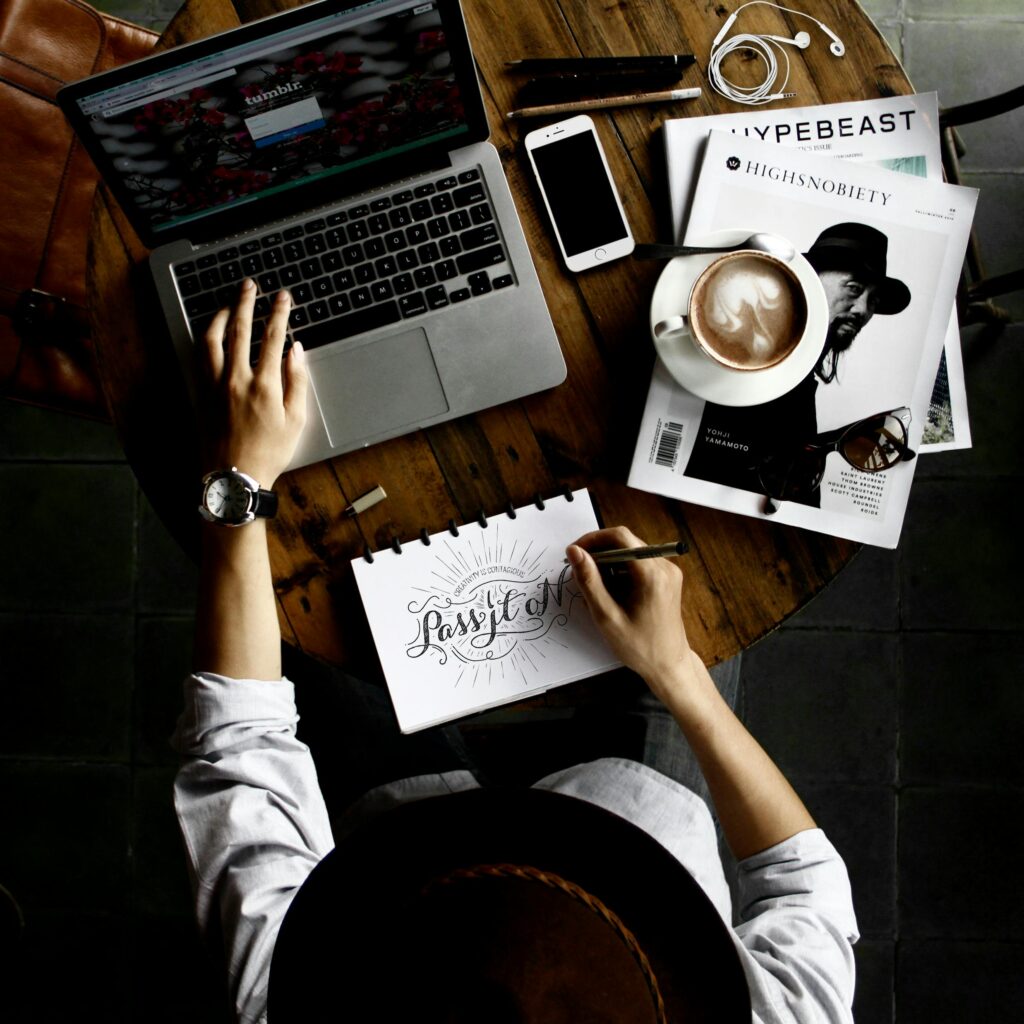
**Featured Image Suggestion:** A clean desk setup with a laptop, tablet and design sketches.