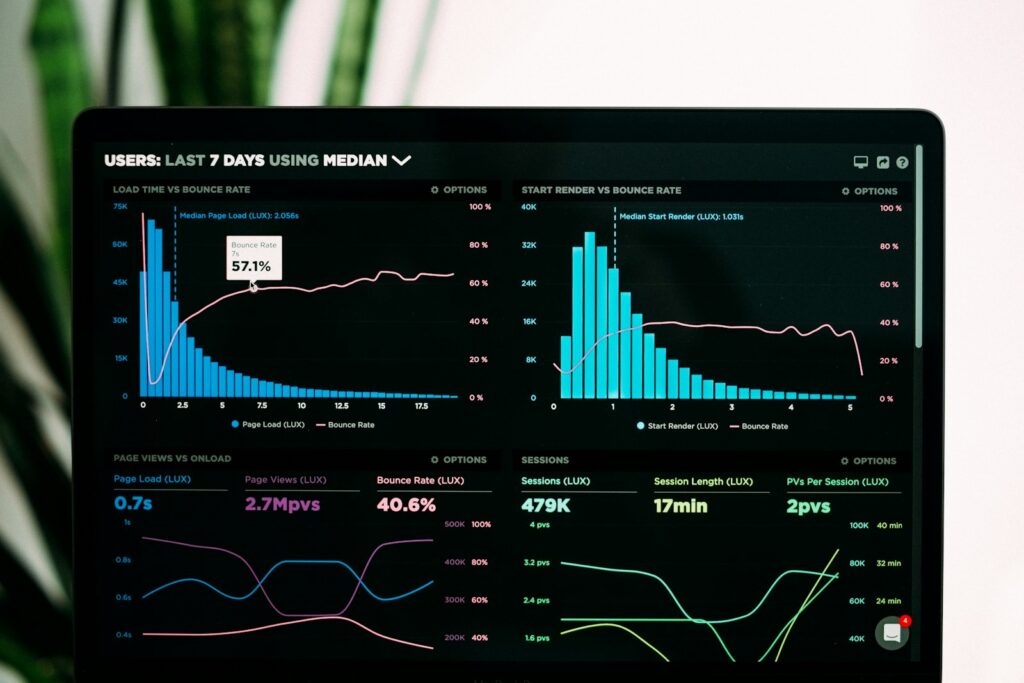
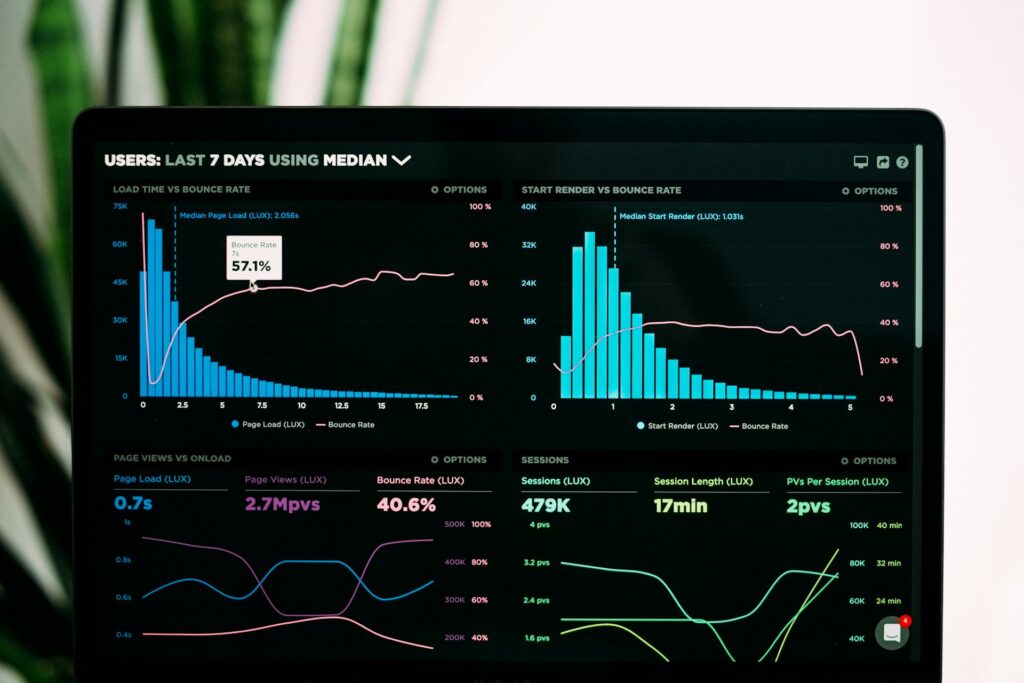
**Data analysis is one of the most in-demand skills in 2026, and it offers an excellent opportunity for a profitable side hustle that you can do entirely from home.** Companies of all sizes need people who can make sense of their data, spot trends, and help them make better decisions. The best part is that you do not need a degree in data science or years of experience to get started. With the right tools and a strategic approach, you can build a freelance data analysis side hustle that earns you a reliable second income.
In this guide, I will walk you through everything you need to know to start a freelance data analysis side hustle in 2026, including the skills you need, the tools to learn, where to find clients, and how to price your services.
—
## Why Data Analysis Is a Great Side Hustle in 2026
Data analysis has become essential for businesses in every industry. Small businesses want to understand their customers better. E-commerce stores need to track their sales trends. Marketing agencies need to prove their return on investment. All of these tasks require someone who can work with data.
The demand for freelance data analysts has grown significantly because many businesses cannot afford a full-time data specialist. Instead, they hire freelancers for specific projects. This creates a perfect opportunity for you to offer your services on a flexible, part-time basis.
Another advantage is that data analysis work is entirely remote friendly. You can do everything from your laptop at home. You do not need to meet clients in person, and you can work with clients from anywhere in the world.
Finally, data analysis pays well. Entry-level freelance data analysts can earn between 25 and 50 dollars per hour, while more experienced analysts can charge 75 to 150 dollars per hour or more. Even working ten hours per week, you can build a significant side income.
—
## Step 1: Learn the Essential Tools
You do not need to be a programming expert to start, but you do need to learn a few key tools. Here are the most important ones for a beginner freelance data analyst.
**Microsoft Excel or Google Sheets.** These are the most basic and widely used data analysis tools. You should know how to use formulas, pivot tables, charts, and data cleaning features. Many small business clients only need Excel-level analysis. Google Sheets is free and works similarly, making it a great place to start.
**SQL (Structured Query Language).** SQL is the language used to retrieve and manipulate data from databases. It is one of the most valuable skills you can learn for data analysis. You can learn the basics of SQL in a few weeks, and many entry-level freelance jobs only require SQL and Excel. Focus on learning SELECT statements, JOINs, GROUP BY, and WHERE clauses.
**Tableau or Google Looker Studio.** These are data visualisation tools that let you create dashboards and reports. Clients love seeing their data presented in clear, visual formats. Tableau has a free public version, and Google Looker Studio is completely free. Learn how to create bar charts, line graphs, pie charts, and interactive dashboards.
**Python (optional but recommended).** Python is a programming language that is widely used for more advanced data analysis. Libraries like Pandas, NumPy, and Matplotlib make it powerful for handling large datasets. Python is not strictly necessary for beginners, but learning it will open up higher-paying opportunities.
—
## Step 2: Build Your Skills with Free Resources
You do not need to spend money on expensive courses to learn data analysis. There are excellent free resources available.
Google Analytics Academy offers free courses on data analysis and Google Looker Studio. SQLZoo and W3Schools offer free interactive SQL tutorials. YouTube has countless free tutorials for Excel, SQL, Tableau, and Python. Khan Academy offers free statistics courses that will help you understand data concepts.
Set aside a few hours each week to practice. The key is not just watching tutorials but actually doing the work. Download sample datasets from sites like Kaggle or data.gov and practice analysing them. Create charts, write SQL queries, and build dashboards. The more you practice, the more confident you will become.
—
## Step 3: Get Certified
While certifications are not required, they help build trust with clients who are unsure about hiring a beginner freelancer. Some respected certifications include:
– Google Data Analytics Professional Certificate (available on Coursera)
– Microsoft PL-300 Data Analyst Associate
– Tableau Desktop Specialist
– SQL certifications from Oracle or Microsoft
The Google certificate is a great starting point because it covers the full data analysis process and is recognised by many employers and clients. You can complete it in three to six months while working your day job.
—
## Step 4: Create a Portfolio of Projects
When you are starting out, you need to show potential clients what you can do. Create a portfolio of data analysis projects using public datasets. Here are some project ideas.
Analyse COVID-19 data to show trends and patterns. Use housing price datasets to create a market analysis dashboard. Analyse e-commerce sales data to find seasonal trends and customer behaviour patterns. Create a financial dashboard showing revenue, costs, and profit trends.
For each project, write a short case study explaining what you did, what tools you used, and what insights you found. Include screenshots of your charts and dashboards. Host your portfolio on a simple website or on LinkedIn.
—
## Step 5: Find Your First Clients
Once you have learned the basics and built a portfolio, it is time to find clients. Here are the best places to start.
**Freelance Platforms.** Upwork, Fiverr, and Freelancer.com are good places to find your first data analysis clients. Start by bidding on small projects to build your reputation and collect positive reviews. Set your rates lower initially to win your first few jobs, then increase them as you gain experience.
**LinkedIn.** Optimise your LinkedIn profile to highlight your data analysis skills. Post about your projects and share insights. Connect with small business owners, marketers, and entrepreneurs who might need data help. Many freelancers find clients directly through LinkedIn networking.
**Local Small Businesses.** Approach small businesses in your area and offer to help them understand their data. Many local shops, restaurants, and service businesses have sales data but no one to analyse it. Offer a free initial consultation to show them what you can do.
**Online Communities.** Join data analysis groups on Facebook, Reddit, and Slack. Participate in discussions and offer helpful advice. When people see that you know what you are talking about, they will reach out for help.
**Cold Emailing.** Identify businesses that might need data analysis help and send them a polite, professional email. Explain how data analysis could benefit their business and offer a free sample analysis. This approach takes effort but can lead to long-term clients.
—
## Step 6: Price Your Services
Pricing is one of the hardest parts of starting a freelance data analysis side hustle. Here is a simple framework.
For beginners, charge between 25 and 40 dollars per hour. Focus on building your portfolio and getting reviews rather than maximising income.
Once you have three to five projects under your belt, increase your rates to 40 to 60 dollars per hour. At this level, you have proven experience and can command higher rates.
After one to two years of freelancing, you can charge 60 to 100 dollars per hour or more, especially if you specialise in a specific industry or advanced tool.
You can also offer project-based pricing. For example, charge 200 to 500 dollars for a simple dashboard build or 500 to 1,500 dollars for a comprehensive data analysis project with a report.
—
## Step 7: Deliver Quality Work and Get Repeat Clients
The key to building a sustainable side hustle is repeat clients and referrals. Always deliver your work on time or early. Communicate clearly with clients about timelines and expectations. Go the extra mile by offering insights they did not ask for. Ask for feedback and improve based on it.
Happy clients will come back to you for more projects and will recommend you to their network. A single good client can lead to years of steady side income.
—
## Common Mistakes to Avoid
Many beginner freelance data analysts make avoidable mistakes. Here are the most common ones.
Do not take on projects that are beyond your skill level. Be honest with clients about what you can and cannot do. It is better to turn down a project than to deliver poor work.
Do not work for free hoping it will lead to paid work. Offer a free consultation or sample, but never do full projects without pay.
Do not neglect communication. Keep your clients updated on progress. Respond to messages promptly. Clear communication builds trust.
Do not stop learning. Data analysis tools and techniques evolve quickly. Spend time each week learning new skills and improving your existing ones.
—
## Conclusion
Starting a freelance data analysis side hustle in 2026 is a smart way to earn extra income from home. The demand for data skills is high, the barriers to entry are low, and the earning potential is excellent. Learn the essential tools, build a portfolio, find your first clients, and deliver quality work consistently.
You do not need to be a data genius to get started. You just need curiosity, persistence, and a willingness to learn. Pick one tool, start practising this week, and take the first step toward your data analysis side hustle.
**Internal Links:**
– How to start a freelance digital marketing side hustle in 2026
– How to start a freelance web design side hustle in 2026
– How to make money with AI tools as a side hustle in 2026