
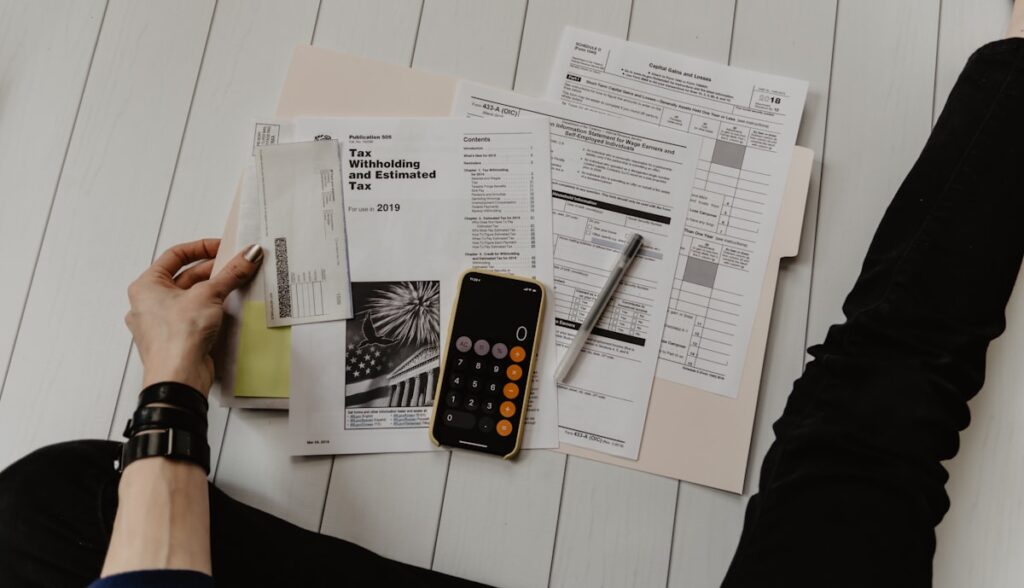
Bookkeeping is one of the most reliable and profitable side hustles you can start in 2026. Every business needs someone to track their income and expenses, file taxes, and manage their accounts. Most small business owners hate doing it themselves, which means there is a huge demand for freelancers who can handle the numbers. The best part? You can start with no experience and learn as you go.
In this guide, we will show you exactly how to start a freelance bookkeeping side hustle from home. No accounting degree required. Just a willingness to learn and a bit of patience.
Why Bookkeeping Is a Great Side Hustle
Bookkeeping has several advantages over other side hustles. First, the demand is consistent. Businesses always need bookkeepers, no matter what the economy is doing. Second, the pay is good. Freelance bookkeepers in the UK and US earn between 25 and 60 pounds per hour depending on their experience. Third, the work can be done entirely from home. You do not need to meet clients in person. Everything can be done online using cloud-based accounting software.
Unlike some side hustles that require you to create new content or find new products to sell, bookkeeping is a service that never goes out of style. Every business that wants to stay compliant with tax laws needs a bookkeeper.
What Skills Do You Need to Start?
You do not need a degree in accounting to be a freelance bookkeeper. But you do need a few basic skills. You need to be comfortable with numbers and spreadsheets. You need to be organised and pay attention to detail. And you need to be willing to learn how to use accounting software. Most of these skills can be learned through online courses and practice.
Many successful freelance bookkeepers started with no formal training. They took an online course, practised on their own finances, and then offered their services to small businesses at a competitive rate. Over time, they built up their skills and their client base.
Step 1: Learn the Basics
Start by understanding the difference between bookkeeping and accounting. Bookkeeping is about recording transactions: sales, purchases, payments, and receipts. Accounting is about analysing that data to produce financial reports and tax filings. As a freelance bookkeeper, you will focus on the recording side, though some clients may ask you to prepare reports too.
Take an online course in bookkeeping basics. Platforms like Coursera, Udemy, and LinkedIn Learning offer affordable courses that cover everything from double-entry bookkeeping to using specific software. The Institute of Certified Bookkeepers also offers certifications if you want something formal on your resume.
Step 2: Choose Your Software
Cloud accounting software is the standard in 2026. The most popular options include Xero, QuickBooks, and FreeAgent. Learn one or two of these inside out. Most offer free trials or discounted student plans so you can practise without spending money. Being proficient in one of these tools will make you much more attractive to potential clients.
Step 3: Set Up Your Business
Before you take on clients, set up your side hustle properly. Open a separate bank account for your business income. Decide whether you will operate as a sole trader or set up a limited company. Register with the relevant tax authority if required. Having a proper setup from the start makes tax time much easier.
Step 4: Find Your First Clients
The easiest way to find your first bookkeeping clients is through freelancing platforms like Upwork, Fiverr, and PeoplePerHour. Create a profile that highlights your training and software skills. Offer competitive rates initially to build up reviews and a portfolio. Once you have a few clients under your belt, you can raise your prices and start getting referrals.
You can also reach out to small businesses in your local area. Many small business owners prefer working with someone local, even if the work is done remotely. Networking groups on Facebook and LinkedIn are another great source of clients. If you already have experience in other freelancing areas, check out our guide to starting a virtual assistant side hustle for tips on finding clients that apply to bookkeeping too.
Step 5: Manage Your Workflow
Set up a system for managing your clients. Use a spreadsheet or project management tool to track deadlines, recurring tasks, and client communication. Most bookkeeping work follows a monthly cycle: reconcile accounts at the end of each month, send reports to clients, and handle any questions. Being organised will help you serve more clients without getting overwhelmed.
For more tips on working efficiently from home, read our data analysis side hustle guide which covers similar workflow tips.
How Much Can You Earn?
Freelance bookkeepers typically charge between 25 and 60 pounds per hour. A part-time bookkeeper working 10 to 15 hours per week can earn between 1,000 and 3,000 pounds per month. As you gain experience and specialise in a particular industry, you can charge even more. Many bookkeepers also offer monthly packages at a fixed rate, which gives clients predictable costs and gives you reliable recurring income.
Common Mistakes to Avoid
One common mistake is taking on too many clients too quickly. Start with one or two clients and make sure you can deliver quality work before you expand. Another mistake is underpricing your services. It is tempting to charge very low rates to attract clients, but this can lead to burnout and resentment. Set a fair rate from the start and stick to it.
Also, make sure you have a contract in place with each client. The contract should outline the scope of work, payment terms, and confidentiality agreements. A good contract protects both you and your client. If you are looking for more side hustle ideas, check out our freelance translation side hustle guide for another option that requires similar organisational skills.
Final Thoughts
Freelance bookkeeping is a fantastic side hustle for anyone who is good with numbers and wants to work from home. The demand is high, the pay is good, and you can start with minimal investment. Learn the basics, pick your software, and start looking for clients. With consistent effort, you can turn bookkeeping into a solid source of side income in 2026.