
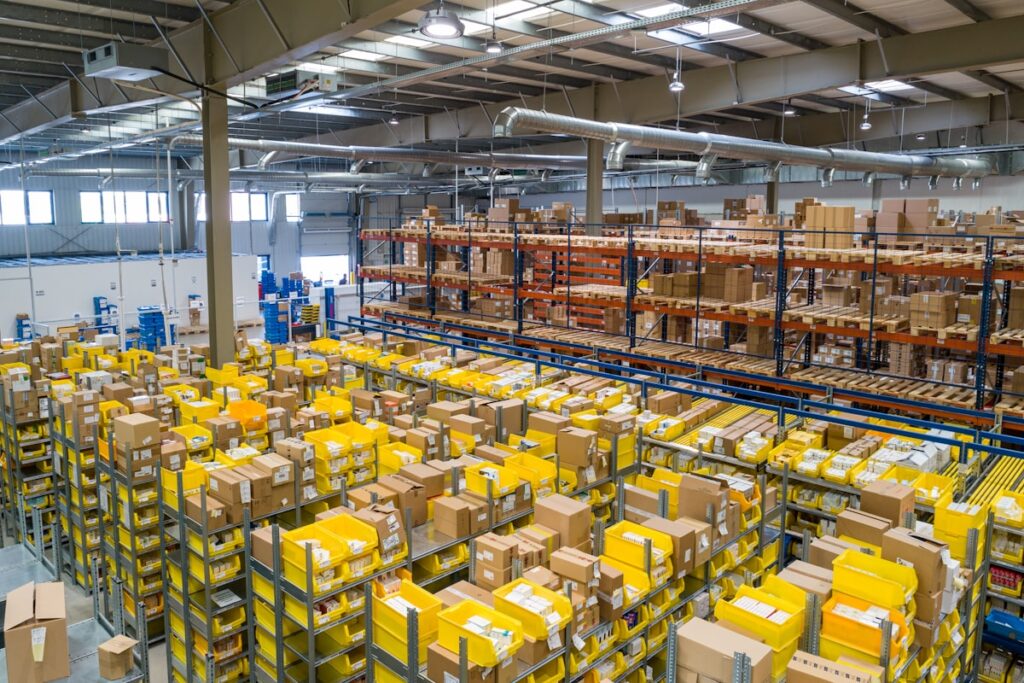
Amazon FBA is one of the most talked-about side hustles online, and for good reason. The idea is simple: you find products, send them to Amazon’s warehouses, and they handle storage, packing, shipping, and even customer service. You wake up to sales without ever touching the inventory yourself.
In 2026, the barrier to entry is lower than ever. But that also means more competition. This guide covers exactly how to start an Amazon FBA side hustle step by step — from finding products to working with suppliers and optimizing listings — so you can skip the expensive mistakes.
What Is Amazon FBA?
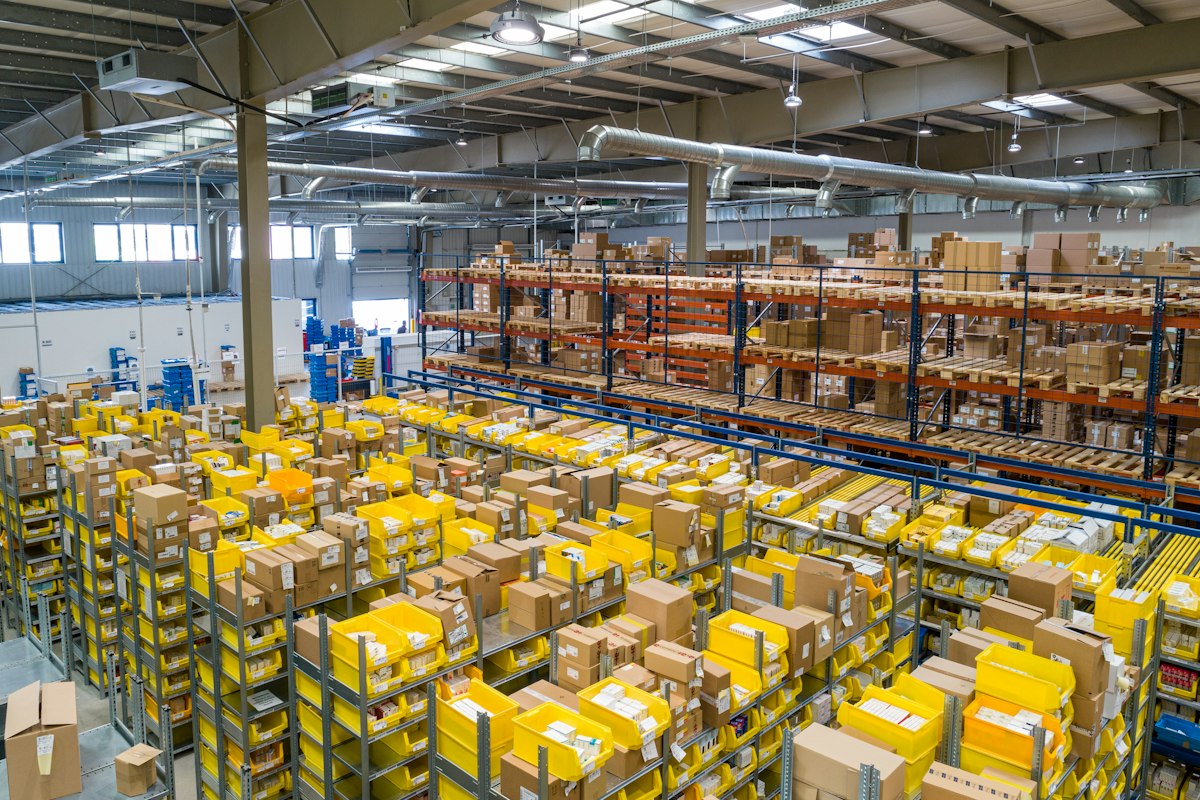
FBA stands for Fulfillment by Amazon. Instead of storing products in your garage or spare room and shipping them yourself, you send bulk inventory to Amazon’s fulfillment centers. When a customer buys your product, Amazon picks, packs, and ships it for you. They also handle returns and customer service.
You pay a fee for this service, but it frees you from the logistical headaches. For a side hustle, that is a huge win. You can focus on finding winning products and marketing them instead of boxing up orders at midnight.
Why Amazon FBA Works as a Side Hustle in 2026
Amazon FBA remains one of the best side hustles because it scales. You can start with a small budget — under $1,000 if you are smart about it — and reinvest profits as you grow. Here is why it still works:
- Amazon’s traffic. Millions of people search Amazon every day. You do not need to build your own audience to make sales.
- Prime trust. Customers trust Prime shipping. Products with Prime badges convert better than independent stores.
- Low barrier to entry. You don’t need a business license, a website, or any special skills to start.
- Passive-ish income. Once your listings are live and optimized, sales can happen while you sleep. You will need to handle customer messages and reorders, but the heavy lifting is automated.
FBA vs FBM: Which Should You Choose?
A lot of beginners confuse FBA with FBM (Fulfillment by Merchant). The difference is simple:
- FBA: Amazon stores and ships your products. You pay storage and fulfillment fees but get Prime eligibility and better rankings.
- FBM: You store inventory at home and ship orders yourself. You keep more margin but lose the Prime badge and handle all the logistics.
For a side hustle, FBA is usually the better pick. The time you save on packing and shipping is worth the fees. Plus, Amazon’s algorithm favors FBA listings in search results. If you want to test the waters with very few products, FBM can work, but FBA is the scalable option.
Step 1: Find a Product to Sell
Product research is the most important step. The wrong product means months of storage fees and no sales. The right product can fund your entire side hustle within weeks.
What Makes a Good FBA Product?
- Lightweight and small. Heavy or bulky items cost more to ship and store. Aim for products under 2 pounds that fit in a standard box.
- Price between $15 and $50. Below $15, your margins shrink after fees. Above $50, customers expect more research before buying, which slows sales.
- No strict brand restrictions. Avoid electronics, supplements, or baby products. These categories require approval or certifications that complicate things for beginners.
- Seasonal but not trendy. A product that sells year-round with spikes during holidays is ideal. Avoid fads that die in six months.
Where to Research Products
Use tools like Jungle Scout, Helium 10, or even Amazon’s own Best Sellers list. Look for products with steady monthly sales (300+ units) and low competition. Check the number of reviews on top listings — if every competitor has 5,000+ reviews, it is a tough market to break into.
If you are just starting out, consider selling in a niche you already understand. For example, if you run a freelance writing business, you might sell planners or notebooks for writers. Starting with a niche you know gives you an edge.
Step 2: Find a Supplier on Alibaba
Once you have a product idea, you need a supplier. Alibaba is the go-to platform for finding manufacturers, especially in China.
How to Find Reliable Suppliers
- Search Alibaba for your product. Look for suppliers with Gold Supplier status and 3+ years on the platform.
- Contact 5 to 10 suppliers with the same product request. Ask about MOQ (minimum order quantity), unit price, shipping costs, and lead time.
- Order samples. Never skip this step. A $50 sample can save you from a $2,000 mistake. Check the quality, packaging, and dimensions.
- Negotiate. Alibaba prices are rarely final. Ask for a better rate on larger quantities or ask if they offer custom packaging.
A typical first order is 100 to 500 units depending on your budget. Expect to pay $2 to $10 per unit depending on the product.
Shipping Options
You have two main choices: air shipping (fast, expensive) or sea shipping (slow, cheap). For a first order, air shipping is worth the extra cost. You get your products in 7 to 14 days instead of 30 to 45 days by sea. That means you start selling sooner and can validate the product faster.
Step 3: Create a Killer Listing
Your Amazon listing is your storefront. A great product with a bad listing will not sell. Here is what you need to get right.
Title
Amazon allows up to 200 characters. Use them. Include the brand name, product name, key features, size, and color. Example: “Premium Yoga Mat 6mm Thick — Non Slip Exercise Mat for Women and Men with Carrying Strap, Eco Friendly TPE, Workout Mat for Home & Gym”
Bullet Points
Five bullet points. Each one should highlight a benefit, not just a feature. Front-load with the most compelling reason to buy. Use short sentences. Avoid fluff.
Product Images
Amazon allows up to 9 images plus a video. The main image must be a product shot on a pure white background. Additional images should show the product in use, size comparisons, and close-ups of key features. Invest in professional photography or learn basic product photography yourself.
Backend Keywords
Amazon gives you a hidden field for search terms. Fill it with relevant keywords that customers might search for. Do not repeat words from your title. Do not use commas — just spaces. Keep it under 250 bytes.
Step 4: Send Inventory to Amazon
Once your products arrive from the supplier, you need to create a shipment plan in Seller Central. Amazon will tell you which fulfillment centers to send your products to.
Label each unit with FNSKU labels (Amazon will generate these). Box everything securely and ship via a carrier Amazon approves — UPS, FedEx, or a freight forwarder.
Amazon typically checks in inventory within 24 to 48 hours. Then your products go live for customers to buy.
Step 5: Optimize and Scale
Launching is just the beginning. The real money comes from optimization.
Get Early Reviews
Amazon’s Vine program lets you give away free products in exchange for honest reviews. It costs around $200 per parent ASIN but is worth it for the first 10 to 30 reviews. Products with reviews convert significantly better than those without.
Run PPC Ads
Amazon’s pay-per-click ads can jumpstart sales. Start with automatic targeting to see which keywords buyers use. Then switch to manual targeting for the best-performing keywords. Keep your ad spend under 15% of revenue to maintain healthy margins.
Track Your Numbers
Amazon FBA fees change. Storage fees go up during Q4. Returns happen. Keep a spreadsheet of your costs: product cost, shipping, Amazon fees, ad spend, and returns. Know your true profit per unit.
Common Mistakes Beginners Make
- Skipping product research. Jumping on a product because you saw it on TikTok is a fast way to lose money. Validate demand before ordering.
- Ordering too much inventory. Start small. 100 units is plenty to test the market. You can always reorder if it sells.
- Ignoring fees. Amazon’s FBA fee calculator is free. Use it before you buy anything. A product that looks profitable at $25 might leave you with $3 after fees.
- Copying listings. Do not copy competitor titles and descriptions. Amazon penalizes duplicate content. Write your own, and make it better.
How Much Money Can You Make?
Realistic numbers matter. A successful FBA side hustle on a single product might bring in $500 to $3,000 per month in profit. Some sellers hit $10,000+ per month, but that usually requires multiple products and reinvesting profits into ads and inventory.
If you treat it as a side hustle — a few hours per week — $500 to $1,000 per month within six months is an achievable goal. Scale it up if you want more, but start with the goal of proving the model works.
Alternatives to Amazon FBA
Amazon FBA is not the only e-commerce path. If it does not fit your budget or risk tolerance, consider these alternatives:
- Dropshipping. You list products and a supplier ships them directly to customers. Lower risk, lower margins, more competition.
- Print on demand. Design products (t-shirts, mugs, etc.) and a third party prints and ships them. Great for creatives.
- Selling digital products. Printables, templates, and ebooks have zero inventory costs and high margins.
If you are set on a service-based side hustle instead of selling products, check out platforms like Fiverr for freelancing or browse our list of top freelancing platforms to find work that fits your skills.
Final Thoughts
Amazon FBA is not a get-rich-quick scheme. It is real work — research, supplier communication, listing optimization, and ad management. But it is also one of the few side hustles where you can build a real asset. Each product listing you create is a digital storefront that can generate income for years.
Start with one product. Keep your costs low. Reinvest your profits. And give it at least six months before you decide if it works for you. That is the formula.