
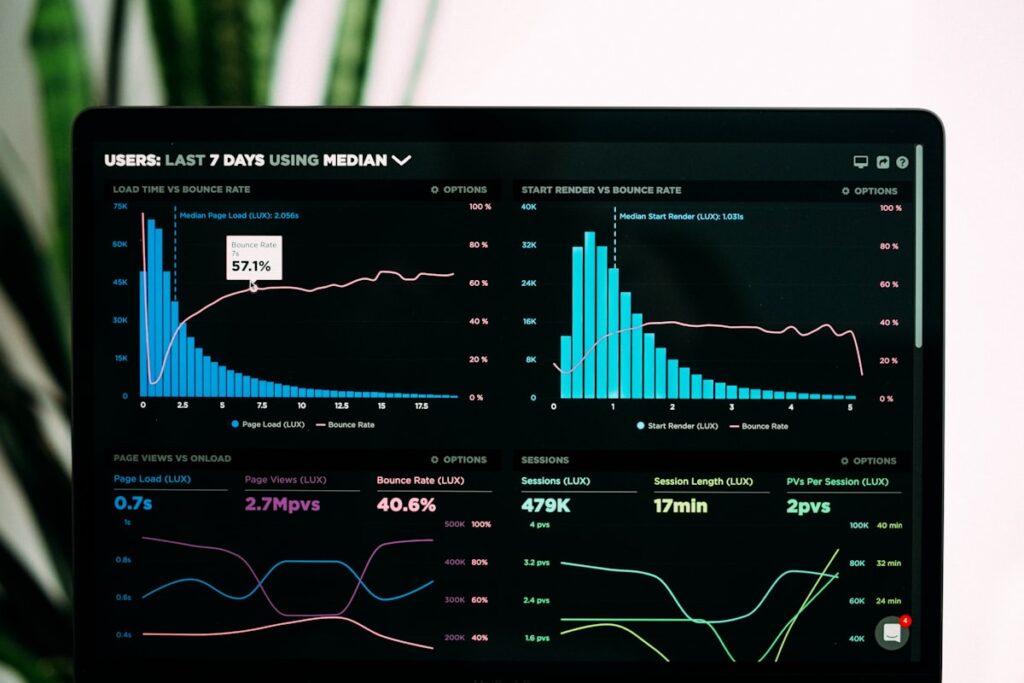
Data analytics is one of the most in-demand freelance skills in 2026. Companies everywhere collect massive amounts of data, but most do not know how to make sense of it. That is where you come in.
The best part? You do not need a university degree or a background in statistics to get started. With the right tools and a willingness to learn, you can build a profitable data analytics side hustle from home.
This guide covers everything you need to know to start a freelance data analytics side hustle in 2026, including the skills you need, the tools to use, and how to land your first paying client.
Why Data Analytics is a Great Side Hustle in 2026
Here is why data analytics stands out among side hustle options:
- High demand — every industry needs data analysts: e-commerce, healthcare, finance, marketing, real estate, and more.
- Good pay — freelance data analysts charge between GBP 30 and GBP 100 per hour depending on experience and project complexity.
- Work from anywhere — all you need is a laptop and internet connection. No physical presence required.
- Flexible hours — take on projects that fit around your existing job or schedule.
- Low startup cost — most tools have free tiers, and you can start with what you already have.
Data analytics also complements other freelance skills. If you already work in content writing, digital marketing, or SEO consulting, adding data analytics to your toolkit makes you more valuable to clients.
Skills You Need to Start
You do not need to learn everything at once. Start with these core skills and build from there:
Excel or Google Sheets
Spreadsheets are the foundation of data analysis. Learn how to use formulas, pivot tables, VLOOKUP/XLOOKUP, and basic data cleaning techniques. Most small business clients will be happy with spreadsheet-based analysis.
SQL
Structured Query Language (SQL) is how you extract data from databases. It is arguably the most important skill for a data analyst. Learn to write SELECT queries, JOIN tables, use GROUP BY, and filter data with WHERE clauses. You can learn the basics in a few weeks.
A Data Visualisation Tool
You need to present your findings in a way clients can understand. Learn either Tableau (industry standard but paid) or Power BI (free and powerful, especially for clients using Microsoft products). Google Looker Studio is also a good free option.
Python or R (Optional but Recommended)
Python is increasingly expected for data analytics roles. Learn pandas, numpy, and matplotlib for data manipulation and visualisation. R is also strong but less commonly requested in freelance work. You can start without these and learn them as you grow.
Tools You Will Use
- Google Sheets / Excel — for basic analysis and quick reports.
- Google BigQuery / MySQL / PostgreSQL — for working with databases.
- Tableau Public / Power BI / Google Looker Studio — for creating dashboards and visualisations.
- Jupyter Notebook / Google Colab — for Python-based analysis.
- Notion or Trello — for managing your projects and clients.
How to Learn Data Analytics for Free
You do not need to spend money on expensive courses. Here are free resources to get started:
- Google Data Analytics Certificate — available on Coursera (audit for free). Covers spreadsheets, SQL, Tableau, and R.
- SQLZoo — interactive SQL tutorials. Practice writing queries in your browser.
- FreeCodeCamp — has a data analysis with Python course.
- YouTube channels — Alex The Analyst, Luke Barousse, and Kenji Explains have excellent free content.
- Kaggle — practice with real datasets and join competitions to build your skills.
- Mode Analytics SQL Tutorial — one of the best free SQL tutorials online.
Set aside 30 minutes to an hour each day for learning. In three months of consistent practice, you can build enough skill to take on entry-level freelance projects.
Building Your Portfolio
Clients want to see proof that you can work with data. Build a portfolio of 3 to 5 projects that show off your skills:
- Find interesting datasets on Kaggle, data.gov, or Google Dataset Search.
- Ask a business question that your analysis will answer. For example: “Which products have the highest customer retention rate?”
- Clean and analyse the data using SQL or spreadsheets.
- Create a visual dashboard in Tableau or Power BI.
- Write a short report explaining your findings and recommendations.
- Host your portfolio on a free website, GitHub, or Tableau Public.
Your portfolio matters more than your qualifications. A beginner with three solid portfolio projects is more hireable than someone with a degree but no practical work to show.
How to Find Your First Data Analytics Client
Landing your first client is the hardest part. Here is a step-by-step approach:
1. Start with Small Businesses
Local businesses, e-commerce stores, and startups often have data but no one to analyse it. Reach out to them with a specific offer: “I will analyse your sales data for free and give you one actionable insight.” This low-risk offer gets your foot in the door.
2. Use Freelance Platforms
Upwork, Freelancer, and Fiverr have data analytics categories. Start with smaller projects to build reviews and a reputation. Be prepared to charge lower rates initially. Our guide to getting your first Upwork client has detailed tips.
3. Offer Analytics as an Add-On
If you already offer another freelance service (like virtual assistance or social media management), offer analytics as an upsell. “I also noticed your Instagram engagement data shows X — would you like me to prepare a full report?”
4. Network in Industry Communities
Join LinkedIn groups, Reddit communities (r/dataanalysis, r/analytics), and Slack groups for your target industries. Answer questions helpfully. People will notice your expertise and reach out.
5. Cold Outreach to E-Commerce Stores
E-commerce stores generate huge amounts of data. Use Google Search to find small online stores, look at their publicly available data (social media, reviews, product pages), and send them a short email with one insight you noticed about their business.
What to Charge as a Beginner
Pricing your services can be tricky when you start. Here is a rough guide:
- Beginner (first 5 projects) — GBP 15 to GBP 30 per hour or GBP 50 to GBP 200 per project.
- Intermediate (6 to 20 projects) — GBP 30 to GBP 50 per hour or GBP 200 to GBP 500 per project.
- Experienced (20+ projects) — GBP 50 to GBP 100 per hour or more.
Focus on value-based pricing (what the insight is worth to the client) rather than hourly rates once you have some experience. A project that saves a client thousands of pounds is worth much more than a few hours of your time.
Sample Data Analytics Projects for Beginners
Not sure what kind of projects to offer? Here are examples that beginners can handle:
- Sales performance report — analyse monthly sales data and identify trends, best-selling products, and seasonal patterns.
- Customer segmentation — group customers by behaviour (high spenders, frequent buyers, at-risk churners).
- Marketing campaign analysis — measure which channels and campaigns drive the best return on investment.
- Inventory optimisation — identify slow-moving stock and recommend markdown or removal strategies.
- Website analytics audit — analyse Google Analytics data to find pages with high bounce rates or low conversion.
- Social media performance dashboard — create a visual report showing engagement trends, best posting times, and audience growth.
Common Mistakes to Avoid
- Trying to learn everything before starting. Start with the basics and learn on the job. You do not need to be an expert to take on simple projects.
- Overcomplicating your analysis. Clients want clear, actionable insights, not complex statistical models. Simple analysis with clear recommendations is often more valuable.
- Ignoring data cleaning. Real-world data is messy. Spend time cleaning and validating data before analysis. Garbage in equals garbage out.
- Presenting without context. Always explain what your findings mean for the client’s business. A chart without interpretation is just a picture.
- Undercharging for too long. Raise your rates as you gain experience and build your portfolio. Your time and skills are valuable.
Final Thoughts
Data analytics is an excellent side hustle for 2026. The demand is high, the pay is good, and you can learn the basics in a few months of focused effort. Start with spreadsheets and SQL, build a portfolio with real projects, and use small businesses as your first clients.
The key is to start before you feel ready. Do your first project at a low rate or even for free in exchange for a testimonial. The experience and confidence you gain will be worth more than the money.
For more side hustle ideas, check out our guide on the highest paying freelance skills in 2026 or compare your options in our freelancing versus 9 to 5 job guide.