
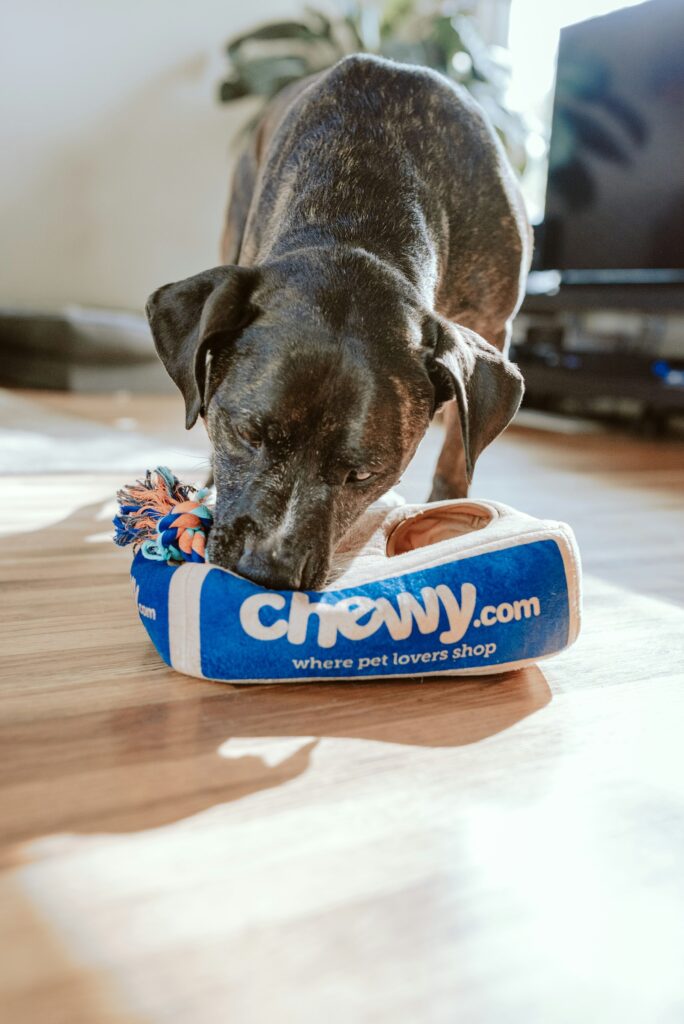
If you love animals and want to earn extra money after your day job, pet sitting and dog walking might be the perfect side hustle for you. Unlike many online gigs that require sitting at a computer for hours, this one gets you outside, active, and spending time with furry friends. And the best part? People are spending more on their pets than ever before, which means the demand for reliable pet care services keeps growing.
In this guide, I will walk you through everything you need to know to start a pet sitting and dog walking side hustle in 2026. From getting started with no experience to setting your rates and finding your first clients, you will have a clear roadmap by the end of this article.
Why Pet Sitting and Dog Walking Is a Great Side Hustle in 2026
The pet care industry has been on a steady climb for years. According to the American Pet Products Association, pet owners in the US alone spend over $100 billion annually on their pets. A big chunk of that goes to services like boarding, walking, sitting, and grooming.
Here is why this side hustle stands out:
- Low startup costs. You do not need expensive equipment or certifications to begin. A leash, some poop bags, and reliable transportation are enough to get started.
- Flexible hours. You can take on walks and sitting jobs around your 9-to-5 schedule. Early mornings, lunch breaks, evenings, and weekends all work well.
- Active work. If you spend all day at a desk, dog walking gets you moving and breathing fresh air. It is good for your health and your wallet.
- Recurring clients. Pet owners need care regularly. Most clients book weekly walks or need sitters whenever they travel. That means repeat income.
- Growing demand. More people are working from offices again in 2026, which means their pets are home alone during the day. Dog walkers and pet sitters are needed now more than ever.
If you are looking for other flexible side hustles that work around your schedule, check out our guide on becoming a delivery driver for another option that gets you out and earning.
Getting Started: What You Need to Begin
The barrier to entry for pet sitting and dog walking is low, but you still need to prepare properly. Here is what you should have in place before you take on your first client.
Basic Supplies
- A good leash and collar. Many clients will provide their own, but having a backup leash in your car is smart.
- Poop bags. You will need these on every walk. Buy them in bulk to save money.
- Treats. Ask the owner what treats their dog is allowed to have. Never give treats without permission.
- Pet first aid kit. A basic kit with bandages, antiseptic wipes, tweezers, and a muzzle (for injured animals) shows you are prepared.
- Towels and wipes. Useful for muddy paws or accidents.
- Water bowl and bottled water. Especially important during hot weather.
Skills and Experience
You do not need formal training, but you should be comfortable around different breeds and temperaments. If you have owned pets before, that is a huge advantage. If not, spend some time volunteering at a local animal shelter to get hands-on experience with different animals. Shelters are always looking for dog walkers, and the experience will prepare you for dealing with nervous, excited, or reactive animals.
Your Online Presence
Even a local service business needs an online presence these days. Here is what you should set up:
- A simple Google Business Profile so people can find you when they search for dog walkers in your area
- A Facebook page or Instagram account where you can share photos of the pets you care for (with client permission)
- A basic website or landing page with your services, rates, and contact information
If you need help building a simple website, you might find our guide on becoming a virtual assistant useful for ideas on how to present your services online.
Setting Up Your Services and Pricing
Before you start marketing, decide exactly what services you will offer and how much you will charge.
Services to Offer
- Dog walking. 20-minute, 30-minute, and 60-minute walks. Most clients prefer 30-minute walks for their dogs.
- Pet sitting (in your home or theirs). Overnight stays or daytime sitting while owners are at work or on vacation.
- Drop-in visits. Quick 15 to 30-minute visits to feed, water, and check on pets.
- Cat sitting. Cats need less attention than dogs, but they still need feeding, litter box cleaning, and playtime.
- Additional services. Watering plants, bringing in mail, and basic home security checks while owners are away are valuable add-ons.
How to Price Your Services
Pricing depends on where you live, but here are typical ranges for 2026:
- 30-minute dog walk: $15 to $25
- 60-minute dog walk: $25 to $40
- Drop-in visit: $15 to $25 per visit
- Overnight pet sitting: $40 to $75 per night
- Cat sitting visit: $15 to $20 per visit
Research what other pet sitters and dog walkers charge in your area. Start slightly below the average to attract your first clients, then raise your rates as you build a reputation and get reviews.
A good rule of thumb: aim to earn at least minimum wage per hour of work. Remember that travel time between clients, meet-and-greets, and admin tasks are all unpaid work, so factor those into your pricing.
Finding Your First Clients
Getting those first few clients is the hardest part of any side hustle. Here are proven ways to find pet owners who need your help.
Start with People You Know
Ask friends, family, coworkers, and neighbors if they need pet care or know someone who does. Offer a discounted rate for their first booking in exchange for an honest review. Word of mouth is still the most powerful marketing tool for local services.
Use Pet Sitting Platforms
Several apps and websites connect pet sitters with owners. These are great for getting started because the platform handles the marketing and payment processing for you.
- Rover. The biggest platform for dog walking and pet sitting. You create a profile, set your rates, and owners book you through the app. Rover takes a 20% cut, but it is worth it when you are starting out.
- Wag. Similar to Rover but with more focus on on-demand dog walking. You can pick up walks in your area as one-off jobs.
- Nextdoor. Not a pet sitting platform specifically, but very effective for finding local clients. Post about your services in your neighborhood group.
- Care.com. Originally for babysitting and senior care, but they also have a pet care category.
Market Yourself Locally
- Print flyers and post them at veterinary clinics, pet stores, dog parks, coffee shops, and community centers
- Join local Facebook groups for pet owners and neighborhood communities
- Leave business cards at dog-friendly businesses and apartment building lobbies
- Partner with local pet groomers, trainers, and veterinarians who can refer clients to you
For more strategies on landing your first customers, read our detailed guide on getting your first 10 freelance clients.
Insurance and Legal Considerations
You are responsible for someone else’s beloved pet. That comes with risk, and you need to protect yourself and the animals in your care.
Pet Sitting Insurance
Insurance is non-negotiable if you are serious about this side hustle. Look for policies that cover:
- General liability. Covers you if a pet damages someone else’s property or injures another person.
- Care, custody, and control. Covers injury or illness to the pet while in your care.
- Bonding. Protects against theft when you have keys to clients’ homes.
Several companies offer insurance specifically for pet sitters and dog walkers:
- Pet Sitters Associates has been insuring pet professionals for over 30 years
- Business Insurers of the Carolinas offers affordable policies for solo pet sitters
- Next Insurance lets you get a policy online in minutes with monthly payments
Expect to pay between $150 and $300 per year for a basic policy. That is less than a dollar a day for peace of mind.
Business Structure and Contracts
You do not need to form an LLC right away, but you should:
- Register as a sole proprietor with your local government if required
- Open a separate bank account for your pet sitting income and expenses
- Use a service contract that outlines your services, fees, cancellation policy, and liability waivers
- Keep records of all income for tax purposes
Platforms like Rover provide their own insurance backup and contracts, which is another reason they are good for beginners. But once you build a client base directly, you will want your own insurance and agreements in place.
Best Apps and Platforms for Pet Sitters in 2026
Technology makes running a pet sitting business much easier. Here are the tools you should know about.
For Booking and Payments
- Rover and Wag are the two biggest platforms. They handle booking, payments, messaging, and provide basic insurance.
- Time to Pet is a business management platform for independent pet sitters. It handles scheduling, invoicing, client communication, and payment processing for a monthly fee.
- Precise Petcare offers similar tools with GPS-tracked walks and real-time updates for clients.
For Communication and Marketing
- Google Business Profile for local search visibility
- Canva for creating flyers, business cards, and social media posts
- Mailchimp (free tier) for sending seasonal reminders to past clients
If you enjoy working with animals and want to combine it with social media skills, our social media management guide has useful tips for promoting your services online.
Earnings Potential: How Much Can You Make?
Your income from pet sitting and dog walking depends on how many hours you work and what you charge. Here is a realistic breakdown.
Part-Time (Evenings and Weekends)
If you do 2 to 3 dog walks per weekday after work ($20 each) and 2 to 3 sitting gigs on weekends ($50 per overnight), you could earn:
- Weekday walks: $120 to $180 per week
- Weekend sitting: $100 to $150 per weekend
- Monthly total: $800 to $1,300
Full-Time Dedication
Sitters and walkers who treat this as a full-time business can earn $3,000 to $5,000 per month or more. The key is building a roster of regular clients and offering additional services like boarding and grooming.
Factors That Affect Your Income
- Location. Big cities with high costs of living command higher rates.
- Experience and reviews. More 5-star reviews let you charge premium rates.
- Services offered. Boarding multiple pets overnight earns much more than a single walk.
- Season. Summer and holiday periods are busier with more travel, so you can charge higher rates.
For context, delivery drivers in similar gig economy roles typically earn $15 to $25 per hour. Pet sitting and dog walking can easily match or exceed that, especially once you build regular clients who value reliability.
Tips for Success as a Pet Sitter and Dog Walker
- Always do a meet-and-greet first. Never accept a booking without meeting the pet and owner in person first. This lets you assess the animal’s behavior and the owner’s expectations.
- Be reliable and punctual. Pets have routines, and owners trust you with their homes and their family members. Show up on time, every time.
- Communicate clearly. Send updates and photos during visits. Owners love seeing their happy pets while they are away.
- Get everything in writing. Use contracts and keep records of all bookings, payments, and special instructions.
- Ask for reviews. Positive reviews on Rover, Google, and Facebook will bring you more clients than any ad campaign.
- Know your limits. Do not take on aggressive dogs or pets with medical needs you are not equipped to handle. It is okay to say no.
- Keep learning. Take a pet first aid course. Learn about animal behavior. The more knowledgeable you are, the more valuable you become.
Ready to Start Your Pet Sitting Side Hustle?
Pet sitting and dog walking is one of the most accessible and enjoyable side hustles you can start in 2026. The startup costs are minimal, the demand is strong and growing, and you get to spend your time with animals instead of staring at a screen. Whether you want to earn an extra $500 a month or build a full-time pet care business, the steps in this guide will get you there.
Start by signing up on Rover or Wag, tell your friends and neighbors what you are offering, and line up your first meet-and-greet. Your first client is closer than you think.
If pet care is not for you, there are plenty of other options. Browse our complete collection of side hustle guides to find the one that fits your skills and schedule.