
Why Voice-Over Is a Great Side Hustle in 2026
Voice-over work is one of the most flexible side hustles you can start. You work from home, set your own hours, and earn decent money. In 2026, the demand for voice talent is higher than ever. Companies need voices for video ads, audiobooks, e-learning courses, corporate videos, YouTube channels, and social media content.
You do not need a perfect radio voice. You do not need years of training. What you need is a clear speaking voice, basic equipment, and the willingness to learn. Thousands of people earn side income from voice-over work. Many go on to make it their full-time career.
If you are looking for other ways to make extra money, check out our guide on affiliate marketing as a side hustle as another option.
What Equipment Do You Need?
One of the best things about voice-over is that you do not need expensive gear to start. Here is what you need at a minimum.
A Good Microphone
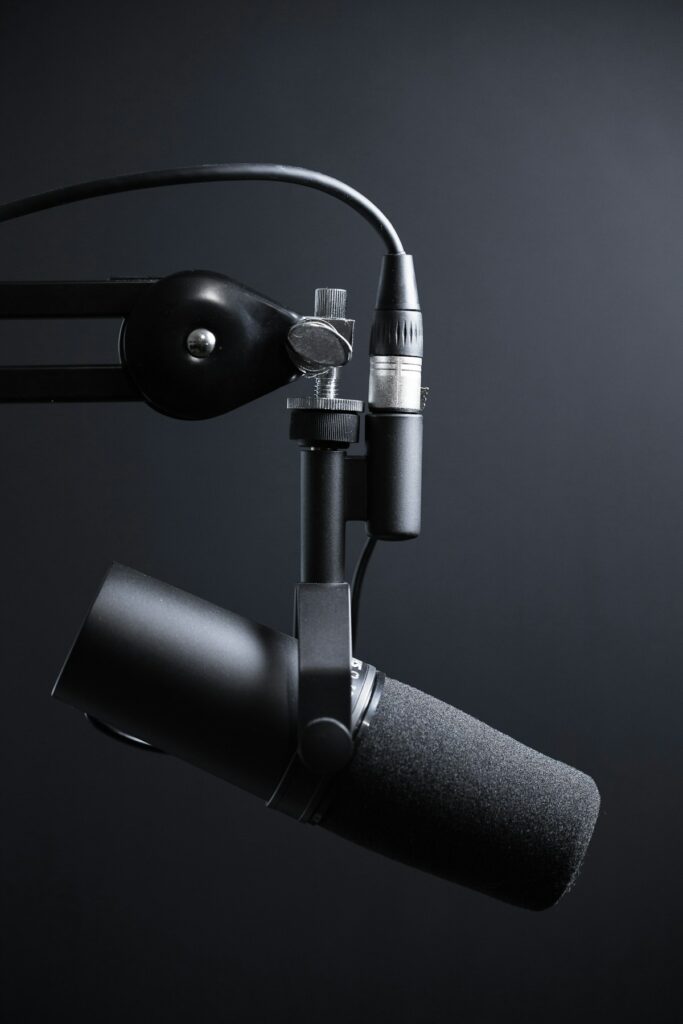
The microphone is your most important tool. For beginners, a USB microphone is the easiest option. You plug it into your computer and you are ready to record. Good options include:
- Blue Yeti (around 100 pounds)
- Rode NT-USB (around 120 pounds)
- Audio-Technica ATR2100x (around 80 pounds)
If you have a bigger budget, consider an XLR microphone with an audio interface. The Shure SM58 is a popular choice for voice work.
Headphones
You need closed-back headphones for monitoring your recordings. They stop sound from leaking into your microphone. The Audio-Technica ATH-M20x or Sony MDR-7506 are good choices at around 50 to 80 pounds.
A Quiet Space
You do not need a professional sound booth. A quiet room with soft furnishings works well. Closets filled with clothes make excellent recording spaces because they absorb echo. If you have background noise, you can use a portable voice booth or even a blanket over your head while recording.
Recording Software (Free Options)
Audacity is the most popular free recording software. It works on Windows, Mac, and Linux. You can record, edit, and export your audio easily. GarageBand is another good free option for Mac users.
Building Your Voice-Over Skills
Getting good at voice-over takes practice. Here is how to improve.
Read Aloud Every Day
Pick a book, a news article, or a script and read it aloud. Record yourself and listen back. Pay attention to your pacing, pronunciation, and tone. Do this for 15 to 20 minutes every day.
Practice Different Styles
Voice-over has many styles. Try commercial voice (energetic and friendly), narration (calm and clear), character voices (fun and animated), and corporate (professional and trustworthy). The more styles you can do, the more jobs you can apply for.
Take Online Courses
There are many affordable courses on platforms like Udemy and Skillshare. Look for courses on voice-over basics, home studio setup, and audio editing. Some professional voice actors also offer coaching sessions.
Warm Up Your Voice
Just like athletes warm up before exercise, you should warm up your voice before recording. Simple exercises like humming, lip trills, and tongue twisters help. Do this for five minutes before each recording session.
If you enjoy creative side hustles, you might like our article on freelance video editing which combines well with voice-over work.
Finding Voice-Over Jobs Online
Once you have equipment and a demo reel, it is time to find clients. Here are the best platforms for beginners.
Fiverr
Fiverr is great for beginners. You create a gig offering your voice-over services. Start with a low price to get your first reviews. As you build your profile, you can raise your rates. Many voice actors earn consistent income from Fiverr.
Voices.com
This is one of the largest voice-over marketplaces. You create a profile, submit auditions for jobs, and get paid if the client chooses you. Competition is higher here, but so are the rates.
Voice123
Similar to Voices.com, Voice123 connects voice actors with clients. You can browse job listings and submit auditions. The platform takes a commission from your earnings.
Upwork
Upwork has many voice-over projects. Create a strong profile, start with smaller projects, and build your reputation. Many clients return to voice actors they trust.
Pond5 and AudioJungle
These are marketplaces where you can sell pre-recorded voice clips. Record common phrases, commercial lines, or narration samples and earn passive income.
Setting Your Rates
Pricing your voice-over work can be tricky. Here is a rough guide for beginners in 2026.
- Short commercial (30 to 60 seconds): 20 to 50 pounds
- E-learning narration (per finished minute): 10 to 30 pounds
- Audiobook (per finished hour): 50 to 150 pounds
- Corporate video (per project): 50 to 200 pounds
- IVR phone messages: 30 to 100 pounds
As you gain experience and build a portfolio, you can charge more. Many experienced voice actors earn 100 to 300 pounds per hour of recorded audio.
Consider creating packages. For example, offer a “commercial package” that includes the recording, editing, and one revision for a set price. This makes it easier for clients to say yes.
Creating Your Demo Reel
A demo reel is a short audio sample that shows off your voice. It is your most important marketing tool. Here is how to create one.
Record 60 to 90 seconds of your best work. Include 3 to 5 different styles to show your range. Start with a commercial read, then a corporate narration, then a warm conversational style. End with your contact information.
Keep it short and high energy. Clients decide in the first few seconds whether they want to hire you. Make every second count.
Save your demo reel as an MP3 file and upload it to SoundCloud or your own website. Link to it in your applications.
Delivering Professional Recordings
When you land a job, deliver high quality work. Here is how.
Use a Quiet Recording Space
Record when your home is quiet. Turn off fans, air conditioning, and appliances. Put your phone on silent. Close the door and windows.
Position Your Microphone Correctly
Speak about 15 to 20 centimetres from the microphone. Use a pop filter to reduce plosive sounds (the puff of air on “p” and “b” sounds). Position the microphone slightly off to the side, not directly in front of your mouth.
Edit Your Audio
Remove long pauses, breaths, and mistakes. Use compression to even out your volume. Add a touch of EQ to make your voice sound clear. But do not over-process. Natural sounds better than over-produced.
Follow Client Instructions
Read the brief carefully. Some clients want a specific tone or pace. If they ask for “energetic and upbeat”, do not deliver a slow, serious read. Follow directions exactly.
Growing Your Voice-Over Business
Once you have some experience and reviews, here is how to grow.
Build a Website
A simple website with your demo reel, services, and contact information makes you look professional. You can use WordPress or a simple landing page builder.
Network with Other Voice Actors
Join Facebook groups and online communities for voice actors. Share tips, ask questions, and refer work to each other. The voice-over community is generally supportive.
Ask for Testimonials
After completing a job, ask the client for a testimonial. Positive reviews help you win more work. Feature the best testimonials on your website and profiles.
For more side hustle ideas, check out our article on social media management side hustle which is another great work-from-home option.
Common Mistakes to Avoid
- Buying expensive equipment before you have any clients
- Setting your rates too high (or too low) as a beginner
- Not investing in basic sound treatment for your recording space
- Being unresponsive to client messages
- Delivering audio without proper editing
- Taking on projects that do not match your voice style
Start small, learn as you go, and raise your rates as you gain experience.
Final Thoughts
Voice-over is a fantastic side hustle. The equipment is affordable, the work is flexible, and the demand continues to grow. Whether you record commercials, audiobooks, or training videos, there is plenty of work available.
Start with basic gear, practice every day, create a demo reel, and start applying for jobs. Your first gig might take a while to land. But once you get that first client and deliver great work, more opportunities will follow.
If you are looking for more side hustle ideas, read our guide on freelance writing as another creative way to earn from home.