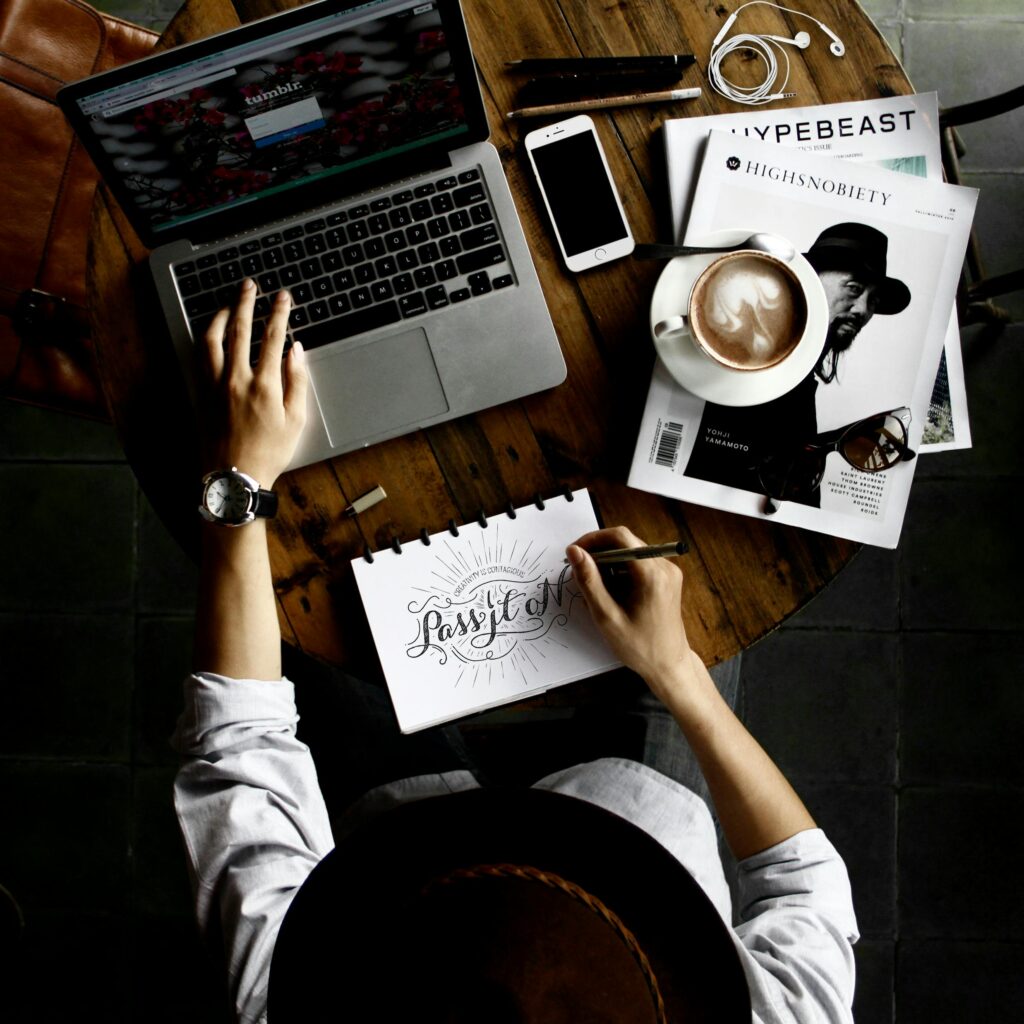

Web development is one of the most accessible side hustles you can start today. You do not need a computer science degree, years of experience or expensive equipment. With a laptop, an internet connection and a willingness to learn, you can start building websites for clients and earning money within months.
The demand for web developers is not slowing down. Small businesses, startups, bloggers, coaches and local shops all need websites. Many of them cannot afford professional agencies, which means they turn to freelancers. If you can build a decent WordPress site, a simple business website or a landing page, there are people willing to pay you for it.
This guide walks you through exactly how to start freelance web development as a side hustle in 2026 — even if you have zero coding experience.
Why Web Development Works as a Side Hustle
Web development ticks all the boxes for a good side hustle. The skills are in high demand, the work can be done remotely in your spare time and the earning potential is strong. Beginners typically charge £30 to £60 per hour, while experienced developers earn £75 to £150 per hour or more. A single website project can pay anywhere from £500 to £5,000 depending on complexity.
Best of all, you do not need to be a coding genius. Many freelance web developers build entire careers using WordPress, page builders and pre-built templates. You can create professional-looking websites without writing a single line of code from scratch.
What Skills Do You Actually Need?
You can start with the absolute basics and learn the rest along the way. Here is what you should focus on in order:
- HTML and CSS — The foundation of every website. Learn how to structure content and style it. This takes two to four weeks of consistent practice.
- WordPress — Over 40 percent of the web runs on WordPress. Learn how to install it, set up themes and use page builders like Elementor or Divi.
- JavaScript basics — Enough to add interactivity to sites. You do not need to be an expert, but understanding the basics helps.
- Responsive design — Every site must work on mobile. Learn how to make layouts adapt to different screen sizes.
- Basic SEO — Clients want sites that rank on Google. Learn on-page SEO basics like meta tags, headings and image optimisation.
You can learn all of these through free resources like freeCodeCamp, The Odin Project, YouTube tutorials and MDN Web Docs.
How to Get Your First Client
Getting the first client is the hardest part. Here are proven strategies that work for beginners:
Build a Portfolio with Sample Projects
You do not need paid work to show what you can do. Build sample websites for imaginary businesses, local charities or friends. Offer to build a free website for a family member’s small business in exchange for a testimonial. Your first few projects are about proving your skills, not making money.
Target Local Businesses
Walk down any high street and you will find businesses with outdated websites or no website at all. Restaurants, salons, tradespeople and independent shops are perfect clients. Email them or visit in person. Offer to build them a modern, mobile-friendly website for a flat fee.
Use Freelance Platforms
Upwork, Fiverr and PeoplePerHour have thousands of web development listings. Start with smaller, fixed-price projects to build your rating and reviews. Charge less initially to win your first few jobs — then raise your rates as you gain positive feedback. For more tips on getting started on platforms like these, check out our guide on Highest Paying Freelance Skills 2026 — Learn & Start Earning.
Network on Social Media
Join Facebook groups for local business owners. Follow hashtags like #webdev and #freelancer on Twitter and LinkedIn. Comment on posts offering help. When someone asks for a website recommendation, introduce yourself. Consistent networking leads to consistent work.
What Tools and Software Do You Need?
Here is the essential toolkit to start:
- A code editor — VS Code is free and the industry standard.
- A domain and hosting — Use affordable hosts like SiteGround, Hostinger or Namecheap.
- WordPress — Free and powers most client websites.
- Page builder — Elementor (free version) is excellent for beginners.
- Design resources — Unsplash for images, Google Fonts for typography and Coolors for colour palettes.
- Version control — Git and GitHub for tracking your code changes.
How Much Can You Earn?
Your earnings depend on your skill level and the type of projects you take on. Here are realistic figures for a side hustle:
- Beginner (first 6 months) — £200 to £800 per project. You might earn £500 to £1,500 per month working evenings and weekends.
- Intermediate (6 to 18 months) — £800 to £3,000 per project. Monthly income of £2,000 to £5,000 is realistic with a steady flow of clients.
- Advanced (18+ months) — £3,000+ per project. Full-time freelance rates apply, and many web developers transition to this as their main income source.
If you are exploring side hustles to replace your day job, our comparison of Graphic Design Side Hustle 2026 — How to Start with No Experience and Land Your First Client can help you decide whether freelancing is the right path for you.
How to Find Ongoing Work
One-off website projects are fine, but the real money comes from recurring work. Offer monthly maintenance packages — updating plugins, backing up the site, adding new content and monitoring security. A £50 to £200 monthly retainer from 10 clients becomes a steady £500 to £2,000 passive income stream.
You can also offer related services like SEO optimisation, speed optimisation, content updates and email setup. The more value you provide, the more clients are willing to pay you every month.
Common Mistakes Beginner Web Developers Make
- Undercharging — Do not work for free or next to nothing. Your time and skills have value.
- Scope creep — Clients will keep asking for extras. Define the project scope clearly in writing before starting.
- Skipping contracts — Always use a written contract or at least a proposal that both parties agree to.
- Not backing up work — Always back up your files. Clients do not care about your hard drive failure.
- Taking on too much — Start with one project at a time and deliver it well. Rushing multiple projects damages your reputation.
Should You Learn to Code from Scratch or Use Website Builders?
Both approaches work, but they serve different purposes. If you want to build simple, affordable websites quickly, WordPress with a page builder is the fastest route to paying clients. If you want to command higher rates and build complex web applications, learning to code from scratch with HTML, CSS, JavaScript and a framework like React will open more doors.
Most successful freelance web developers start with WordPress and expand into custom development as they grow. Pick the path that matches your goals and start there.
Final Thoughts
Freelance web development is one of the best side hustles you can start in 2026. The learning curve is manageable, the tools are affordable and clients are everywhere. You do not need a degree, just a willingness to learn and the discipline to complete projects on time.
Start by learning HTML and CSS. Build one sample website. Then offer your services to one local business. That single step is all it takes to begin a side hustle that could eventually replace your day job income.
For more side hustle ideas and freelancing tips, check out our posts on How to Build a Freelance Portfolio with No Experience and Freelance Writing: The Complete Beginner’s Guide to Making Money Online in 2026.