
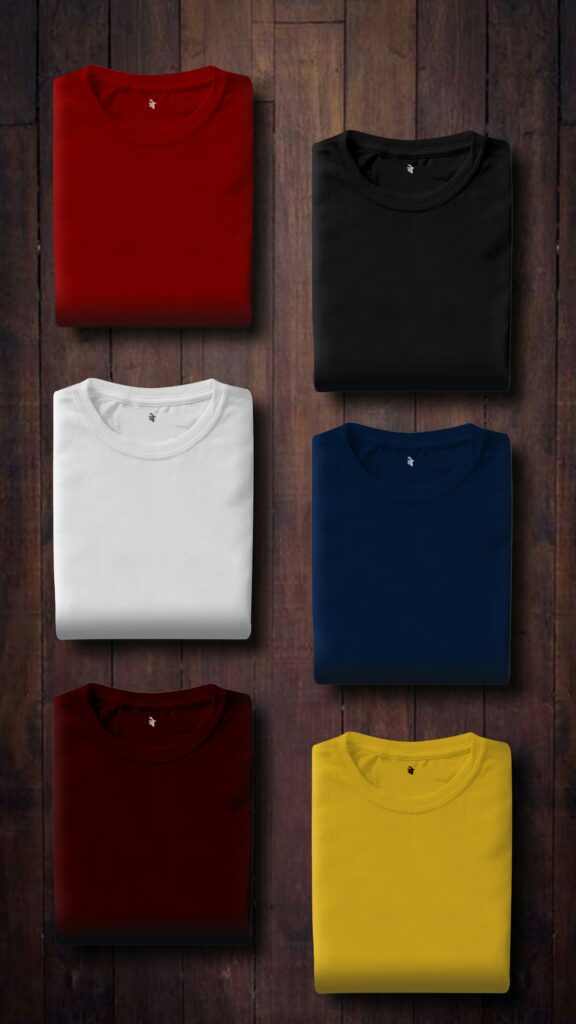
If you want a side hustle that does not require holding inventory, dealing with shipping, or investing money upfront, print on demand is one of the best options in 2026. You design products. A third-party company prints and ships them. You keep the profit margin. That is the whole model.
Print on demand, or POD, has been around for years, but it keeps getting better. More platforms, better print quality, faster shipping, and a global customer base that loves custom products. Whether you want to sell t-shirts, mugs, phone cases, wall art, or hoodies, you can start today with nothing more than a design idea and an internet connection.
This guide will walk you through exactly how to start a print on demand side hustle in 2026, from picking a niche to making your first sale. No fluff, no fake promises. Just a clear plan that works.
What Is Print on Demand and Why It Works as a Side Hustle
Print on demand is a business model where you create designs, list them on products through a POD platform, and only pay for production when a customer places an order. You never buy bulk inventory. You never pack boxes. You never visit a post office.
The POD platform handles printing, packaging, and shipping directly to your customer. Your job is to create designs that people want and get those designs in front of the right audience.
Here is why print on demand is a great side hustle in 2026:
- Zero inventory risk. You only produce what sells. No unsold stock sitting in your garage.
- Low startup cost. Most POD platforms are free to join. You only pay when you make a sale.
- Work from anywhere. All you need is a laptop and design software. Many people use free tools like Canva.
- Passive income potential. Once your products are listed, they can sell while you sleep. You just need traffic.
- Scalable. Start with one store and grow to multiple niches. Or focus on one niche and dominate it.
- Creative freedom. You get to design products that reflect your style and interests.
The print on demand industry is projected to keep growing as more consumers look for unique, personalised products. Standard retail is losing ground to custom and niche items. This creates a massive opportunity for side hustlers who can spot trends and create designs people actually want to buy.
How Print on Demand Compares to Other Side Hustles
If you have looked into other side hustles before, you might wonder how POD stacks up. The honest answer is that it depends on your skills and goals.
Compared to service-based side hustles like social media management, POD does not require client interaction. You do not have to pitch yourself, negotiate rates, or deal with difficult clients. You build a store, create products, and let the platform handle the rest. On the flip side, service hustles give you recurring monthly income, while POD is transaction-based. You only earn when someone buys.
Compared to affiliate marketing, POD gives you full control over your products and brand. With affiliate marketing, you promote other people’s products and earn a commission. With POD, you create your own products and keep a larger margin. Both can work well together. Many POD sellers also use affiliate marketing to promote their stores and drive sales.
Compared to online course creation, POD is less work upfront for each product. Designing a t-shirt takes hours, not weeks. But courses typically sell for higher prices. The best approach is to see where POD fits in your overall side hustle strategy. It can be your main focus or a passive income stream alongside other hustles.
Step 1: Choose Your Niche and Products
The single biggest mistake new POD sellers make is trying to sell everything to everyone. Do not do that. Pick a specific niche and own it.
Good niches for print on demand in 2026 include:
- Pet lovers (dog mom, cat dad, specific breeds)
- Fitness and gym culture
- Funny quotes and dad jokes
- Hobbies (gaming, hiking, reading, gardening)
- Professional identities (nurse, teacher, engineer, therapist)
- Travel and location-based designs
- Pop culture references (within copyright limits)
- Motivational and mental health themes
- Environmental and sustainability messages
- Holiday and seasonal designs
Once you pick a niche, decide which products to start with. T-shirts and hoodies are the most popular because they have the highest demand. But consider adding mugs, tote bags, phone cases, or stickers. These products have lower price points and can serve as impulse buys for customers browsing your store.
A good strategy is to start with 10 to 20 designs in one niche across 3 to 5 product types. This gives you enough variety to test what works without overwhelming yourself.
Step 2: Create or Source Your Designs
You do not need to be a professional designer to succeed with print on demand. Many successful POD sellers use simple text-based designs, minimal illustrations, or templates.
Here are your options for creating designs:
- Canva. Free and powerful. Thousands of templates you can customise. Perfect for beginners.
- Adobe Express. Another free option with professional templates and fonts.
- PlaceIt. Design tool specifically for POD with mockup generators built in.
- Hire a designer. Sites like Fiverr and Upwork let you hire designers for as little as $10 per design. If your design skills are not there yet, this is worth the investment.
- AI design tools. Tools like Midjourney and DALL-E can generate unique artwork. Just make sure you own the commercial rights.
When creating designs, think about what your target customer would actually wear or use. Look at bestsellers in your niche on Etsy, Amazon, and Redbubble for inspiration. Do not copy other sellers. Instead, identify patterns and create your own spin on popular themes.
If design feels intimidating, consider focusing on niches that work well with text-only designs. Funny quotes, affirmations, and simple typography can sell just as well as complex illustrations. For more on building your design skills, check out the graphic design side hustle guide which covers design fundamentals from scratch.
Step 3: Pick Your POD Platform
Your POD platform is where you upload designs and where products get printed and shipped. Each platform has strengths and weaknesses. Here are the best options in 2026:
Printful. The most popular POD platform. High-quality printing, wide product range, and integrates with Shopify, Etsy, WooCommerce, and more. Slightly higher prices, but the quality is worth it.
Printify. Similar to Printful but with multiple print providers. You can choose cheaper options for lower cost. Great for testing products and pricing flexibility.
Redbubble. A marketplace where you upload designs and Redbubble handles everything. Less control over branding, but you get access to their built-in traffic. Great for beginners who do not want to set up a store.
Gooten. Good product range and competitive pricing. Works well with Shopify and WooCommerce.
SPOD (Spreadshirt). Fast production and shipping times. Good for sellers who prioritise speed.
For beginners, I recommend starting with Redbubble or Printify connected to an Etsy store. Both have low barriers to entry and give you access to existing customer traffic. As you grow, you can build your own Shopify or WooCommerce store with Printful for higher margins.
Step 4: Set Up Your Store
Once you have designs and a POD platform, you need a place to sell them. Your options are:
- Etsy. Best for beginners. Built-in traffic, easy setup, and customers actively looking for unique products. Listing fee is $0.20 per item.
- Shopify. More control and higher profit margins. You own the store and the customer data. Requires you to drive your own traffic.
- Amazon Merch on Demand. Invite-only but worth the wait. Amazon handles everything. You get access to massive Amazon traffic.
- eBay. Less common for POD but can work for specific niches.
- Your own website with WooCommerce. Full control, but you need to build traffic from scratch.
For a side hustle, Etsy is the smartest starting point. Create a shop, optimise your listings with good titles and keywords, and link your POD platform. When a customer buys, the POD platform automatically fulfills the order. You do nothing except collect the profit.
Your store name matters. Pick something memorable that reflects your niche. Write a short about section that tells customers who you are and why your products are special. Upload a shop banner and logo. These small touches build trust and increase sales.
Step 5: Price Your Products for Profit
Pricing is simple with POD but you need to get it right. Your selling price needs to cover the product cost, platform fees, and leave you with a decent profit.
A typical breakdown for a t-shirt on Etsy using Printful might look like this:
- Product cost (Printful): $12 to $16
- Etsy listing fee: $0.20
- Etsy transaction fee (6.5 percent): $1.30 on a $20 sale
- Payment processing fee (3 percent + $0.25): $0.85
- Your profit: $2 to $6 per shirt
That might not sound like much, but the math changes with volume. Sell 100 shirts in a month and you are looking at $200 to $600 in side income. And that is just one product type across one niche.
Higher-margin products like hoodies, posters, and accessories can give you $10 to $20 profit per sale. Focus on a mix of low-ticket and high-ticket items.
Step 6: Drive Traffic to Your Store
Your designs can be the best in the world, but if nobody sees them, nobody buys. Traffic is the fuel for your POD side hustle.
Here are the most effective ways to drive traffic in 2026:
Pinterest. The single best free traffic source for POD sellers. Create pins featuring your products with lifestyle mockups. Pinterest users actively search for gift ideas and product recommendations. Optimise your pins with keywords and link them directly to your store.
TikTok and Instagram Reels. Short video content showing your design process, product reveals, and behind-the-scenes content gets great engagement. Show people how you create designs. Share customer photos. Be consistent.
Etsy SEO. Optimise your product titles, tags, and descriptions with keywords your customers are searching for. Etsy has its own search engine, and good SEO can bring free organic traffic.
Social media communities. Join Facebook groups, Reddit communities, and Discord servers related to your niche. Share your products when relevant, but focus on being helpful first. Nobody likes a spammer.
Email list. Start collecting emails from day one. Offer a small discount in exchange for signups. Email your list when you launch new designs or run promotions.
If you already have experience with copywriting, use those skills to write compelling product descriptions that convert browsers into buyers. Good copy can double your conversion rate without spending a cent on ads.
How Much Can You Earn with a Print on Demand Side Hustle?
Earnings vary widely depending on your niche, pricing, traffic, and how much time you invest. Here is a realistic breakdown:
- Beginner (first 3 months): $50 to $200 per month. You are learning, testing designs, and building traffic.
- Intermediate (3 to 12 months): $200 to $1,000 per month. You have found winning designs and your traffic is growing.
- Advanced (12+ months): $1,000 to $5,000+ per month. You have multiple stores or niches, and your traffic is consistent.
These numbers are realistic for someone who treats POD as a serious side hustle and puts in consistent effort. Treating it as a casual experiment will not produce significant income.
Common Print on Demand Mistakes to Avoid
Many new POD sellers make the same mistakes. Avoid them and you will save time, money, and frustration.
Copyright infringement. Do not use trademarked names, logos, or characters. Disney, Marvel, Nike, and similar brands will get your store shut down. Always create original designs or use properly licensed assets.
Poor design quality. Low-resolution images, bad typography, and cluttered designs do not sell. Invest time in learning basic design principles. Even simple designs look professional when done right.
Ignoring mockups. Customers want to see what a product looks like in real life. Use high-quality mockups that show your design on an actual person or in a realistic setting.
Pricing too low. Undercutting yourself to make a quick sale devalues your work. Price for profit, not just for sales. A sale with no profit is just work with no reward.
Giving up too early. POD takes time. Most successful sellers did not see meaningful results for the first few months. Consistency wins. Keep creating, keep promoting, keep learning.
Getting Started This Week
You do not need to have everything figured out before you start. Here is a one-week plan to launch your print on demand side hustle:
- Day 1: Choose your niche. Research what sells in that niche on Etsy and Redbubble.
- Day 2: Create 5 designs using Canva or hire a designer. Focus on one product type (t-shirts).
- Day 3: Sign up for Printful or Printify and connect it to an Etsy shop.
- Day 4: List your 5 designs as products. Write good titles, descriptions, and tags.
- Day 5: Create 10 Pinterest pins and schedule them using Tailwind or a free scheduler.
- Day 6: Make 3 short videos for TikTok or Instagram Reels showing your designs.
- Day 7: Review your first week, see what worked, and plan your next 5 designs.
That is it. You do not need to wait until everything is perfect. Launch, learn, and improve as you go. Every successful POD seller started exactly where you are right now.
Final Thoughts
Print on demand is not a get-rich-quick scheme. It is a real business model that rewards creativity, consistency, and smart marketing. If you are willing to learn design basics, pick a focused niche, and promote your products, you can build a profitable side hustle that runs on autopilot over time.
The best time to start was last year. The second best time is today. Pick a niche, create a design, and list your first product by the end of this week. Future you will thank you.