
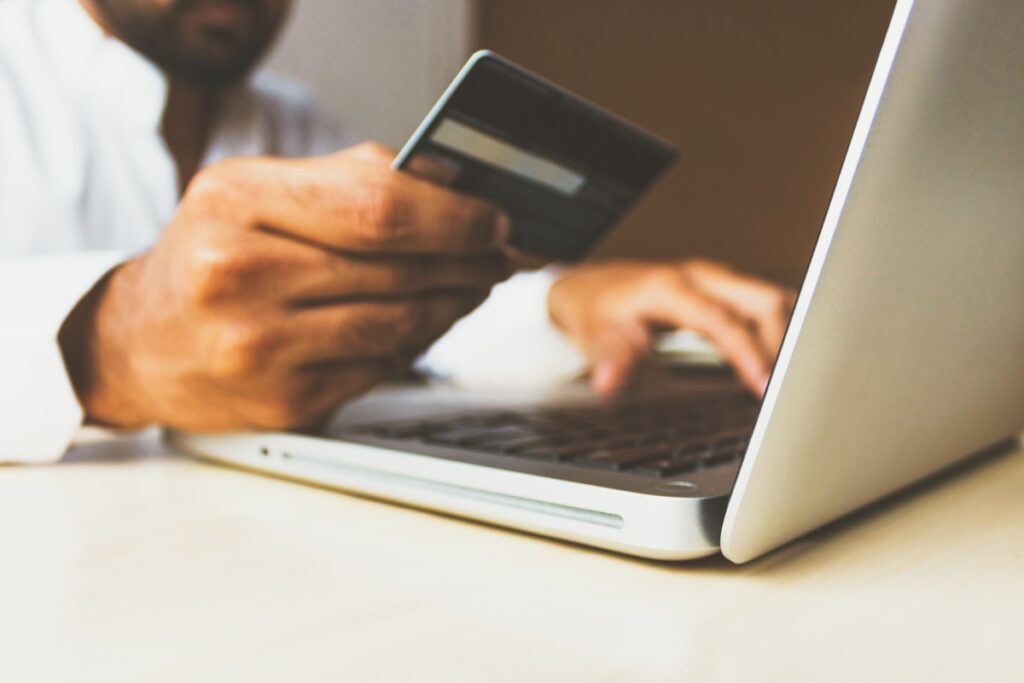
If you’ve ever looked at all those products on Amazon and wondered who’s behind them, the answer is often people just like you. Regular folks running their own Amazon FBA business from home. Amazon FBA (Fulfillment by Amazon) lets you sell products on Amazon without needing to rent a warehouse or hire staff. Amazon stores your products, packs them, ships them, and handles customer service. You focus on finding products to sell.
The best part? You can start this as a side hustle alongside your regular job. Many sellers began exactly that way, working evenings and weekends until their business grew enough to replace their full-time income. It takes work, but it’s more achievable than most people think.
What Is Amazon FBA and How Does It Work?
Amazon FBA stands for Fulfillment by Amazon. Here is how the process works in simple terms:
- You find a product to sell (this is the hardest part btw)
- You buy that product from a supplier (usually from manufacturers in China or local wholesalers)
- You send your products to Amazon warehouses
- Amazon stores them in their fulfillment centers
- When a customer buys your product, Amazon picks, packs, and ships it for you
- Amazon handles customer service and returns
- The money hits your account (minus Amazon’s fees)
Your job as the seller is product research, sourcing, listing optimization, and marketing. Amazon handles the heavy lifting on logistics. This is why FBA is such a popular side hustle model compared to other ecommerce options.
If you’re not sure whether FBA or another model suits you better, check out our guide on starting a profitable dropshipping store to compare the two approaches. Dropshipping is different since you don’t hold inventory, but FBA gives you faster shipping and higher customer trust.
Is Amazon FBA Profitable in 2026?
Yes, but let’s be real about what “profitable” means. Amazon FBA is not a get-rich-quick scheme. You won’t make money on day one, and you might even lose money on your first few products if you don’t do proper research.
Most successful FBA sellers aim for 15-30% profit margins after all costs. That includes Amazon fees (referral fees, storage fees, fulfillment fees) and your product cost. A product that sells for $25 might net you $4-7 in profit per unit.
To give you a realistic picture, here is what first-year earnings often look like for part-time sellers:
- Months 1-3: Zero revenue. You’re researching, sourcing samples, setting up your account
- Months 4-6: $0 to $500 per month. Your first products are live and building reviews
- Months 7-12: $500 to $3,000 per month if you found good products and reinvest wisely
- Year 2+: $3,000 to $10,000+ per month for committed sellers with multiple products
These numbers assume you’re putting in 10-15 hours per week. If you treat it like a real business, the results follow. If you half-ass it, Amazon will eat you alive with storage fees and you’ll be stuck with inventory nobody wants.
How Much Does It Cost to Start an Amazon FBA Business?
Starting an Amazon FBA side hustle requires some upfront investment. Here’s what you should budget for:
- Amazon Professional selling plan: $39.99 per month (you need this to sell in most categories)
- Product samples: $50 to $200 depending on what you’re sourcing
- Initial inventory order: $500 to $3,000 (start small, don’t go all in)
- Shipping to Amazon: $50 to $200 per shipment
- Product photography and listing: $0 to $300 (you can do this yourself)
- UPC codes: $15 to $30 for a single code from GS1 or a reputable reseller
All up, you can start with $1,000 to $2,000 comfortably. You can go cheaper if you source used books or retail arbitrage, but for private label FBA (creating your own brand), budget around $1,500 minimum.
This is more expensive than starting an Etsy shop which needs less inventory. But FBA scales bigger if you find the right product.
Step 1: Find a Profitable Product to Sell
Product research is everything in FBA. A good product makes your life easy. A bad product means you’re stuck with boxes of unsold junk in Amazon warehouses paying monthly storage fees.
Here is what makes a good FBA product for beginners:
- Small and lightweight: Under 2-3 pounds and not oversized. Shipping costs kill profits on heavy items
- Sells for $20 to $50: Too cheap and margins are thin. Too expensive and customers expect premium everything
- Not seasonal: You want something people buy year-round, not just for Christmas or Halloween
- No major brand dominance: If Nike or Samsung owns the category, you don’t stand a chance
- Has room for improvement: Read reviews of existing products and notice what customers complain about. You can make a better version
- Monthly sales of 100-500 units: Shows there’s demand without being impossibly competitive
Tools for product research:
- Jungle Scout: The industry standard. Shows estimated sales, revenue, and competition data. Costs $49/month but has a free trial
- Helium 10: Similar to Jungle Scout with some free tools available
- Keepa: Tracks price history and sales ranks. Has a browser extension
- Viral Launch: Good for keyword research and product discovery
Pro tip: Don’t overthink product research. Pick 2-3 product ideas, order samples, and see which one feels right. Analysis paralysis kills more FBA businesses than bad products do.
Step 2: Source Your Product from Suppliers
Once you know what you want to sell, you need to find a supplier. The most common option is Alibaba.com where Chinese manufacturers sell to businesses worldwide. Here’s how to do it right:
- Search for your product on Alibaba and filter for suppliers with 3+ years in business
- Contact 5-10 suppliers with a clear message about what you need. Include quantities, quality requirements, and packaging details
- Ask for prices (FOB – Free on Board) so you know the cost including shipping to the port
- Request samples. Always. If a supplier won’t send a sample, move on
- Compare pricing, shipping times, and communication quality
- Negotiate. Suppliers expect it. Ask for better pricing on larger quantities
Alternative sourcing options include local wholesalers, craft fairs (for handmade items), and even thrift stores (for retail arbitrage, where you flip items you find for cheap). If flipping interest you, we have a whole guide on related ecommerce models like starting a print-on-demand business which avoids inventory risk entirely.
Step 3: Create Your Amazon Listing
Your product listing is your salesperson. It works for you 24/7. A good listing makes the sale, a bad listing sends customers to your competitors.
Key elements of a strong listing:
- Title: Include your main keyword, brand name, key features, and size/color. Keep it readable but keyword-rich
- Bullet points: 5 bullet points highlighting benefits, not just features. Answer the question “what’s in it for me?”
- Product description: Expand on the bullet points. Tell a story about how your product solves a problem
- Images: At least 6 high-quality images. Show the product from all angles, in use, and with clear size references
- A+ Content: Enhanced brand content with better images and layout. Free for brand registered sellers
Good product photography makes a huge difference. You don’t need a professional photographer. A decent camera phone, good lighting, and a clean white background can produce listing-worthy images. There are also tools like Pixelcut and Canva that help you create professional-looking images.
Step 4: Launch Your Product
Launching is where most beginners get it wrong. You can’t just list a product and expect sales. Amazon is not a “build it and they will come” marketplace anymore. You need a launch strategy.
How to launch successfully:
- Get reviews fast: Use Amazon’s Vine program (costs around $200 per parent ASIN). Amazon Vine reviewers are trusted and their reviews are legitimate. Alternatively, include an insert card in your packaging asking for honest reviews (do NOT offer incentives for positive reviews, Amazon bans this)
- Use PPC ads: Amazon PPC (Pay Per Click) is the fastest way to get visibility. Start with automatic targeting to see which keywords customers use to find your product. Then switch to manual targeting for better control
- Price competitively at first: You may need to price lower than competitors initially to win the Buy Box and get those first sales
- Build social proof: More reviews and higher ratings lead to more sales. It’s a snowball effect
Expect to spend $200 to $500 per month on PPC ads during your first few months. This is normal. Think of it as tuition for learning what works.
Common Mistakes Beginners Make
Let me save you some money and frustration by telling you what goes wrong most often:
- Ordering too much inventory: Start with 100-200 units, not 1,000. You can always order more
- Ignoring fees: Amazon takes a cut at every step. Use the Amazon Revenue Calculator to check your actual profit before ordering
- Picking products you’re passionate about instead of products that sell: Your opinion doesn’t matter. What sells matters
- Not reading Amazon’s restricted product list: Some products need approval. Some are banned entirely. Check before you order
- Copying competitors instead of improving on them: If you sell the same thing as everyone else, price becomes your only weapon. And that’s a race to the bottom
- Giving up too early: Most FBA sellers quit in the first 6 months. The ones who stick around and learn from their mistakes are the ones who succeed
Should You Do Amazon FBA or Another Side Hustle?
Amazon FBA is great, but it’s not for everyone. Here is how it compares to other side hustles covered on this site:
- FBA vs Dropshipping: FBA has higher upfront costs but faster shipping and better customer trust. Dropshipping needs less money to start but has thinner margins and longer shipping times
- FBA vs Etsy: Etsy is better for handmade, vintage, and unique items. FBA is better for mass-produced products. Check out our Etsy side hustle guide if you’re crafty
- FBA vs Print on Demand: Print on Demand has no inventory risk and is easier to start, but margins are lower. See our Printful guide for details
- FBA vs Freelancing: Freelancing trades time for money. FBA can build passive income over time. Both are valid approaches
If you want to build a side hustle that can eventually replace your 9-to-5, FBA is one of the most proven paths. It requires more money upfront than freelancing or print on demand, but the ceiling is higher. Many FBA sellers eventually scale to 6-figure monthly revenues.
But if the upfront cost or inventory risk scares you, there’s nothing wrong with starting with a lower-risk option first. Building a blog or freelancing can build up cash for your FBA launch. Many successful FBA sellers started with a different side hustle first to fund their first product order.
Final Thoughts
Amazon FBA is a real opportunity to build a profitable side hustle that can grow into something much bigger. It’s not easy. It takes research, money, and patience. But thousands of regular people do it successfully every year, and there’s no reason you can’t be one of them.
Start with product research. Spend a few weeks learning the tools and looking at what sells. Order some samples. Talk to suppliers. And when you’re ready, place that first small order and get your product live.
The worst that happens is you learn something valuable for a few hundred bucks. The best that happens is you build a business that changes your life. Either way, it’s worth trying.